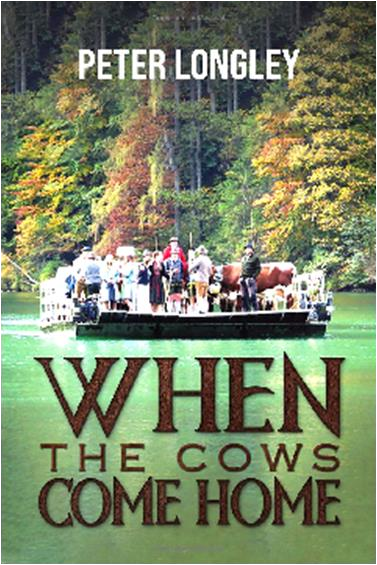
By Peter Longley
Hitler’s retreat in the mountains of Bavaria was one of the most important centres
of government in the Third Reich. Hitler actually spent more time in the Berghof,
his mountain house, than in his Berlin office. It was in this oversized chalet that
Hitler planned the invasions of Poland, France and Russia and the events that
would drastically change the lives of millions of people.
I live in Bavaria two or three months of the year, and I happen to live above
Berchtesgaden on ‘Hitler’s Mountain’ close to what was the Obersalzberg estate of
Adolf Hitler. How did I come to live there?
I lived in the United States for fifty years, and for 25 of those years I was a cruise
director, including ten years on board Cunard’s then iconic flagship, Queen
Elizabeth 2. In 1991, I met my future wife, Bettine Clemen, when she was playing
on board the QE2 as a classical flautist. Although German, Bettine was living in
the United States, where she had been married to an American for ten years before
they were divorced. We were then married in June 1993 in Minnetonka, a suburb
of Minneapolis, Minnesota. Three weeks later, we had a blessing of our marriage
at St George’s church in Beckenham attended by both our British and German
family members.
In 2005, we too, were sadly divorced, primarily through the financial damage we
both endured in a disastrous property adventure in Missouri, USA. Bettine then
returned to Bavaria. We remained very close, however, and when I retired from my
position as the Horticultural Interpreter of a large botanical garden in Missouri in
2017, and returned to Beckeham, Bettine and I revived our relationship, and I
started to live with her in Bavaria several times a year.
Obviously, Bettine and I are still very close. Thus, I have come to know
Berchtesgaden, the beautiful little Bavarian town in an Alpine valley above which
Hitler had his Obersalzberg Estate.
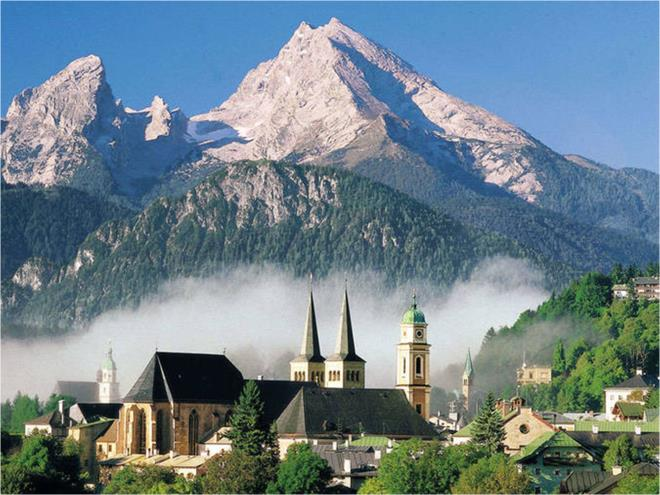
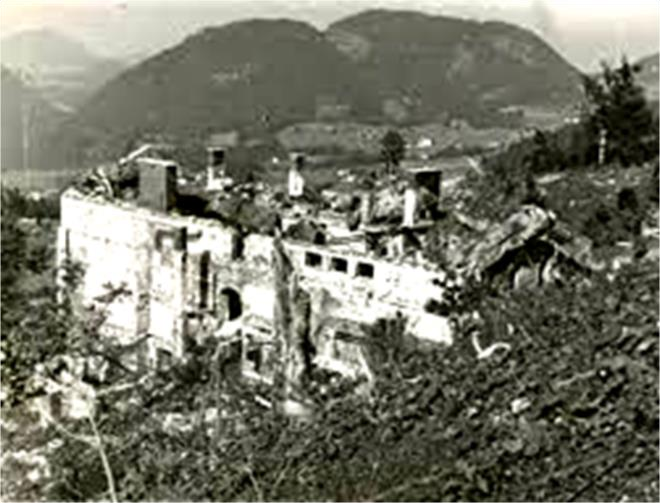
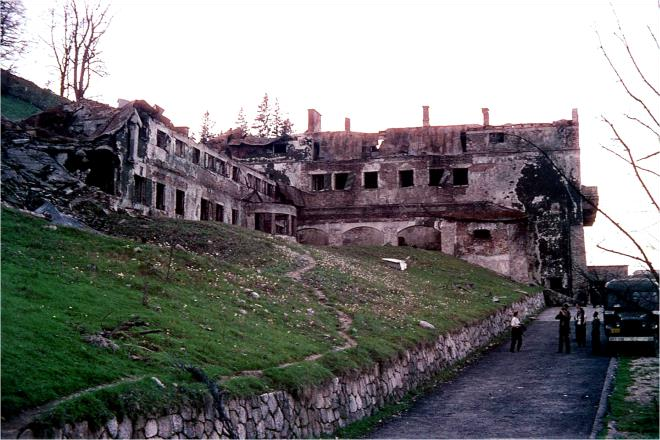
In 1945, much of the Obersalzberg was destroyed by the USAF and RAF,
including by the ‘Dam Busters’ Squadron 617, and in 1950, what was left, was
further obliterated by the Bavarian State Government for fear that the area could
become an attraction for neo-Nazis. In reality, however, it became more of a tourist
chapter for curious Americans as Bavaria had been part of the US administration
before the creation of West Germany as a Democratic republic on 23 May, 1949.
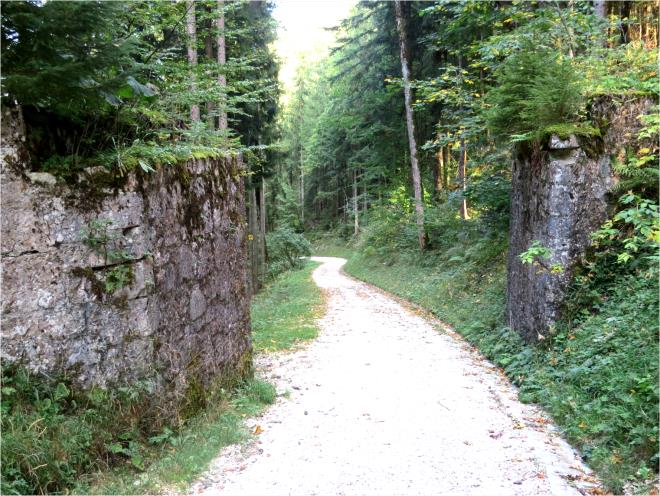
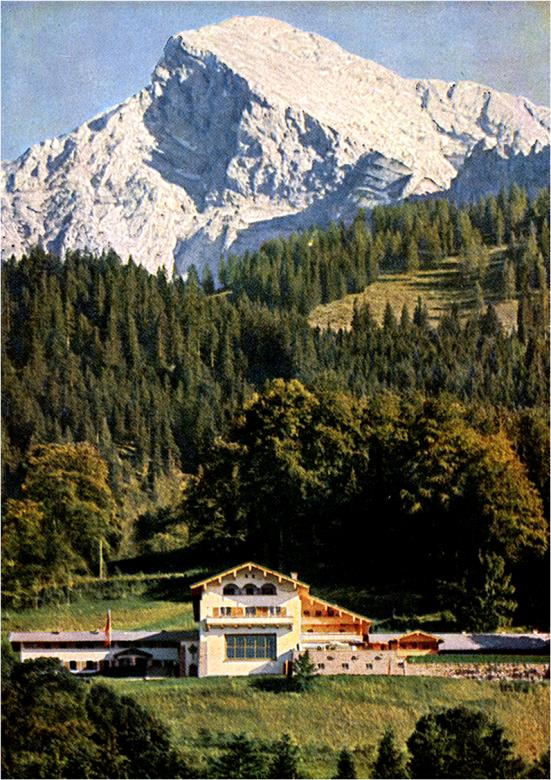
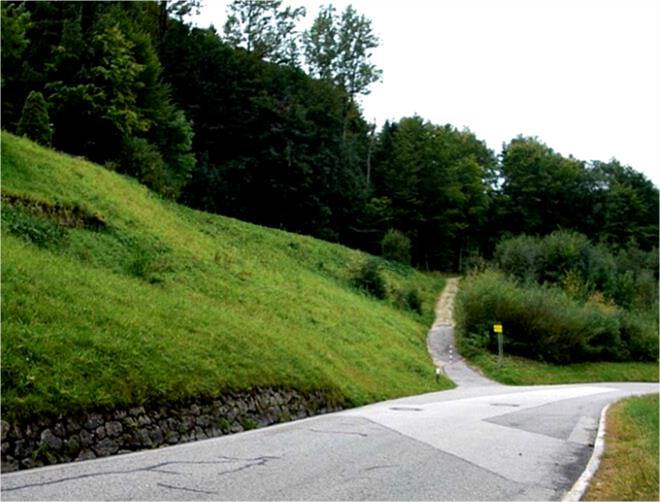
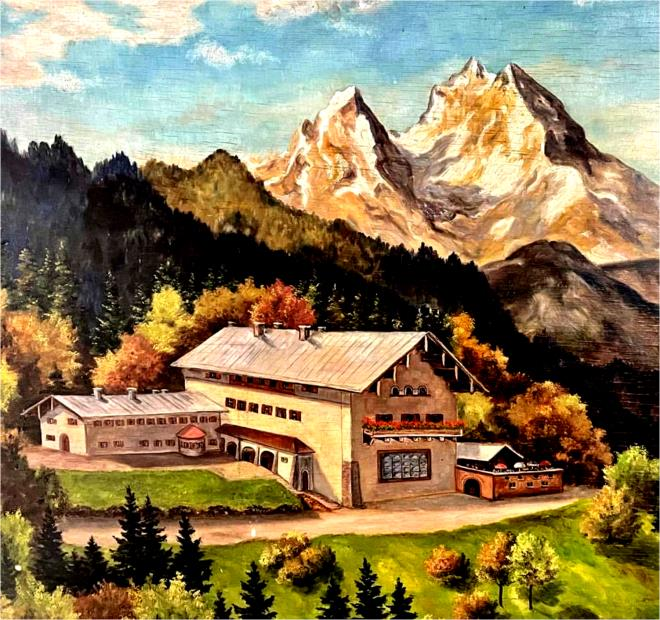
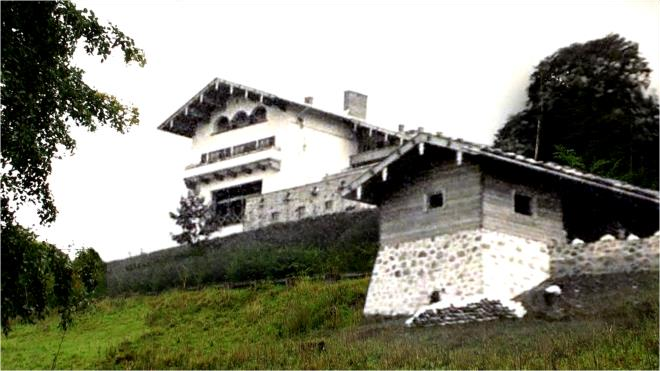
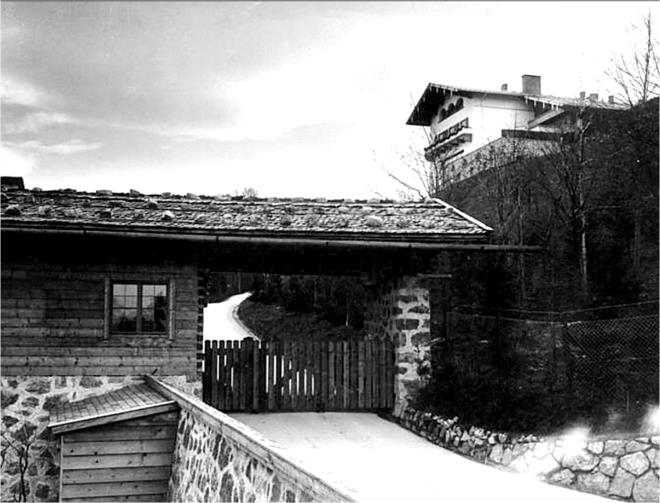
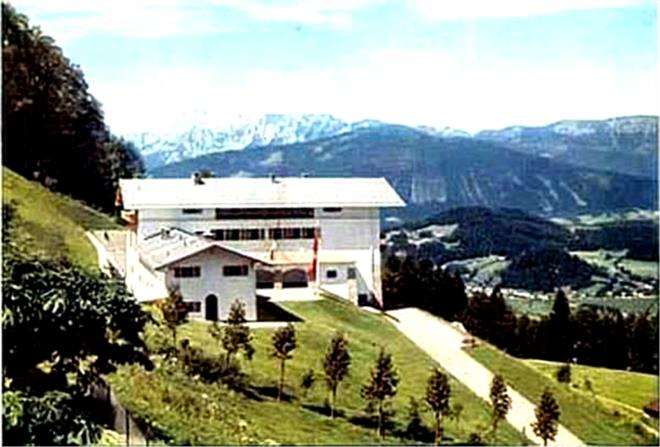
The Berghof was Hitler’s mountain home. The Entrance into the estate today and a
view of the Berghof in the late 1930s.
The path to the Berghof ruins is the small path marked by a yellow sign (which
doesn’t today mention the Berghof). This is on the road just below the Hotel zum
Türken, an inn dating back to the seventeenth century. This path used to be the
east-wing driveway to Hitler’s Berghof.
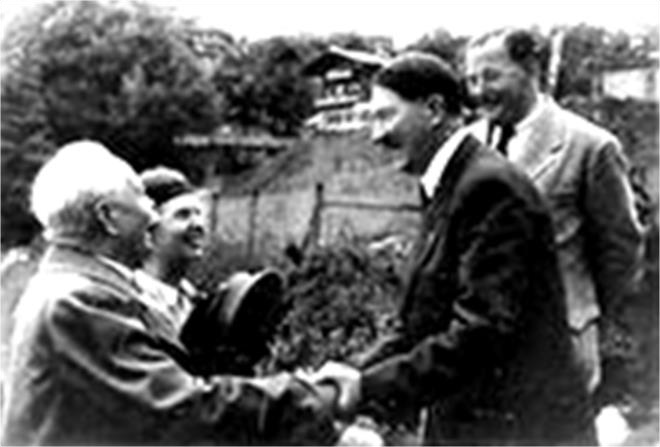
Hitler is standing in that driveway, with the hotel in the background. The next
photo is taken from the same spot today.
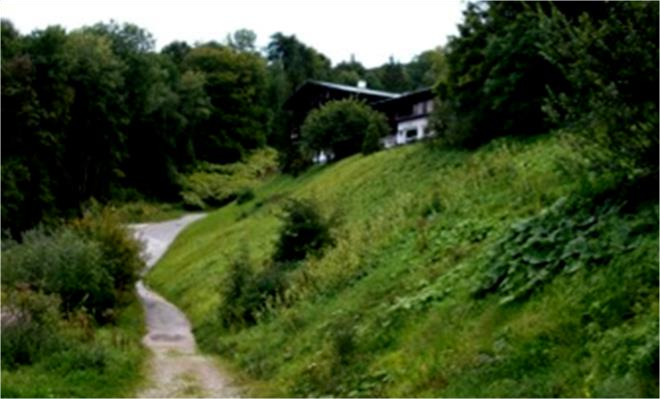
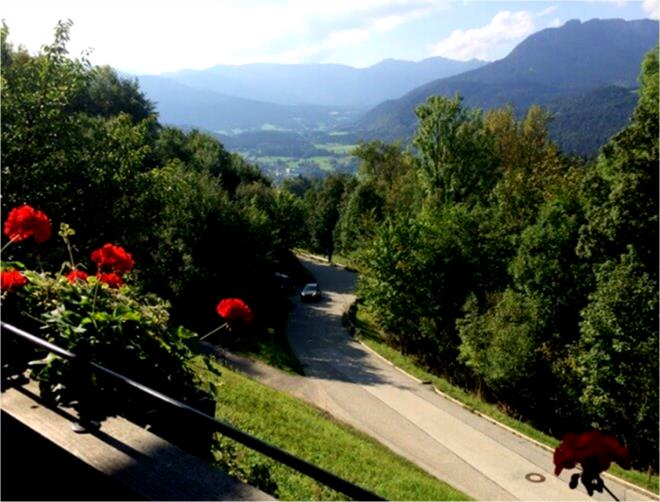
The second driveway that led to Hitler’s main residence is almost completely gone;
there’s just a small patch of asphalt at the edge of the road. The remains of the main
driveway are just where the two cars are sitting.
Adolf Hitler’s interest in the hills above Berchtesgaden began in 1923, when he
came to visit his friend and mentor, Dietrich Eckart, who was living at the
Platterhof Hotel. Hitler travelled there under the name of “Herr Wolf” and held
meetings with supporters in local guesthouses.
After Hitler was released from Landsberg Prison in 1926, following his
unsuccessful coup in Munich, he came back to the Obersalzberg. He stayed in a
small cabin (no longer there) on the mountain near the Platterhof. The remainder of
Mein Kampf was written during his visit there.
In 1928, Hitler rented a pretty, alpine-style vacation home, Haus Wachenfeld, next
door to the Hotel zum Türken.
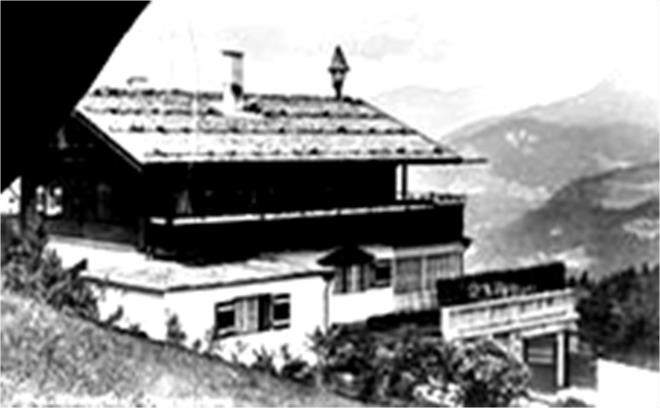
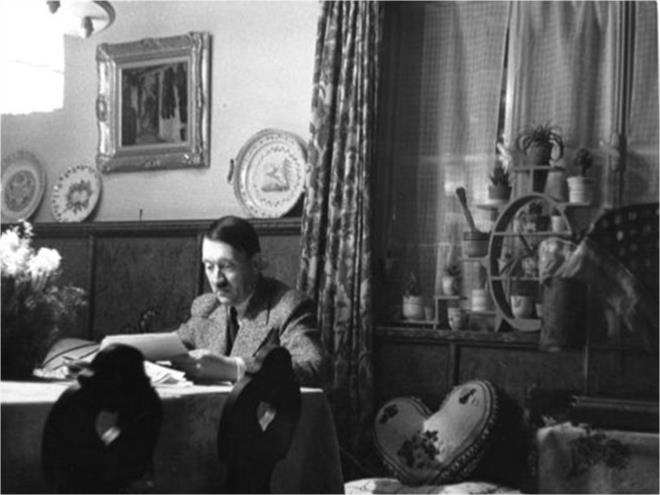
After becoming Chancellor of Germany in 1933, Hitler purchased the house from
the money he had made from Mein Kampf (a best seller) and lived there for a
couple of years before starting a major expansion of the building.
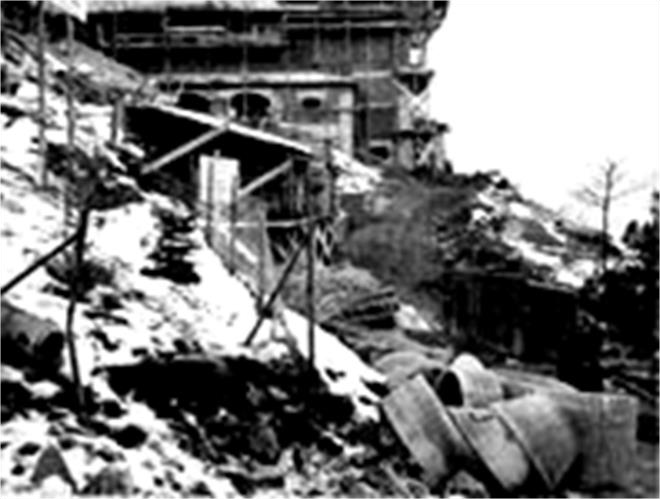
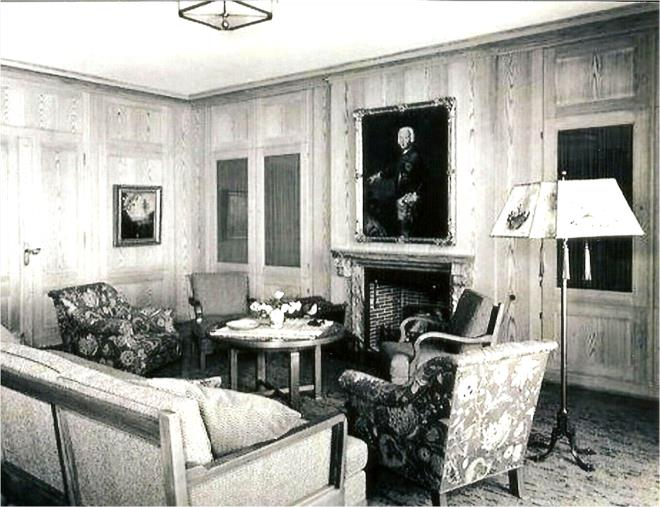
Since Hitler had had an earlier career as an artist, and had a great interest in
architecture, he was heavily involved in the design and furnishing of his new
home. The building and rooms were created in the monumental-style favoured by
National Socialism and intended to impress. The house was decorated with
expensive Persian carpets, Gobelin tapestries and antique furniture, mainly
eighteenth-century German. The Great Room was where Hitler received his
important visitors.
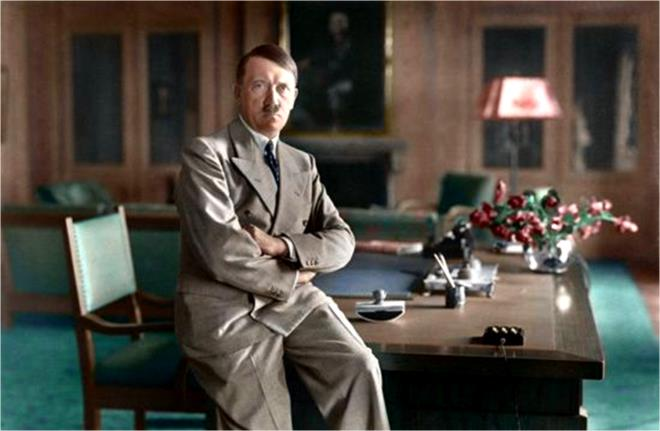
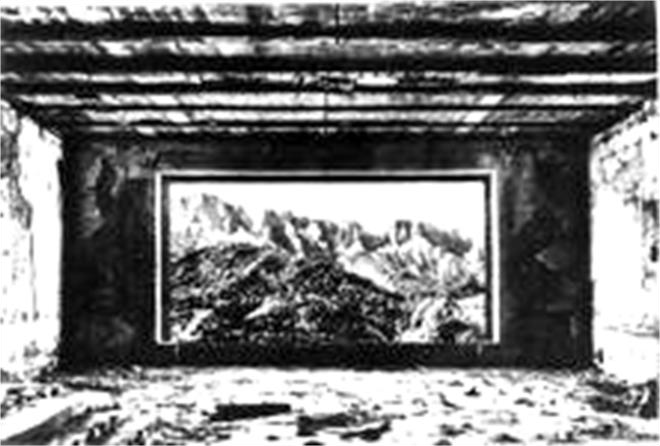
The Great Room was huge and had an enormous picture window that looked out at
the view of the Untersberg mountain in Austria.
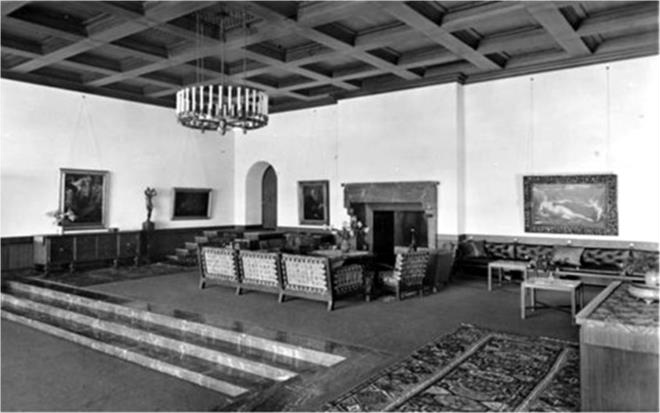
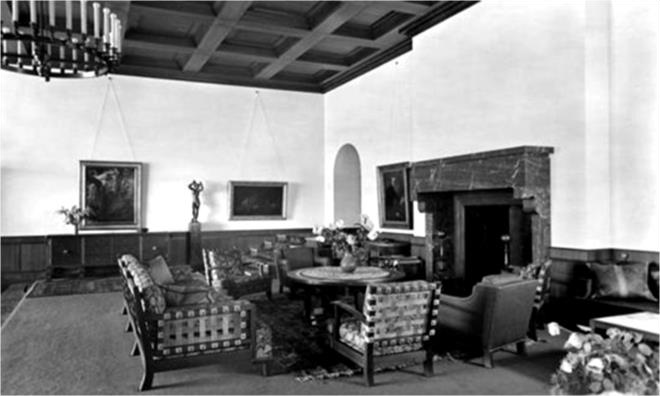
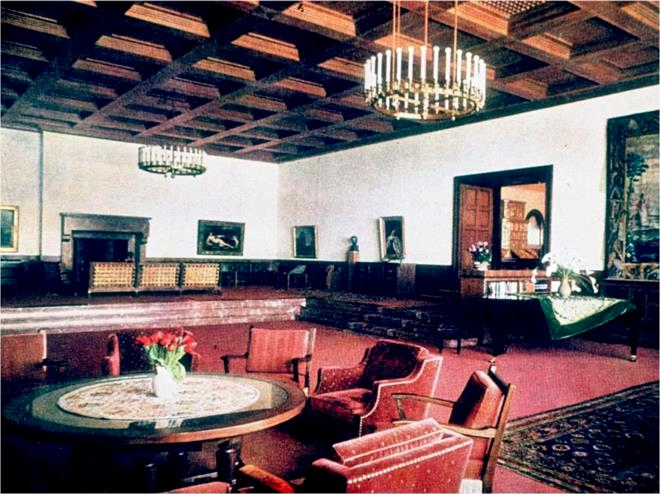
Through a gap in the mountains, Hitler could see Salzburg’s castle. The large
window could be lowered into the story below, leaving it open to the air.
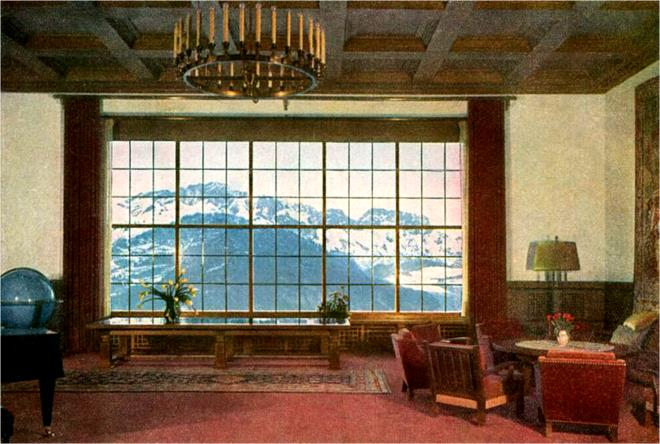
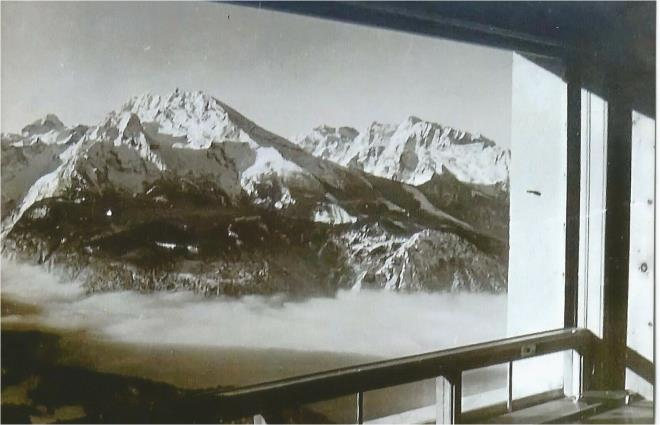
Looking out of this window, Hitler told Albert Speer, architect and manager of
Germany’s state building projects, “Look at the Untersberg over there. It is not by
chance that I have my seat across from it”.
According to legend, Charlemagne is sleeping deep inside the Untersberg
mountain in a cave of ice. He is waiting for the time when he will be called back to
save the Holy Roman Empire; or according to another version, until he is
summoned for the final battle of good against evil at the end of the world. This
romance appealed to Hitler’s vision of the 1,000 year Reich.
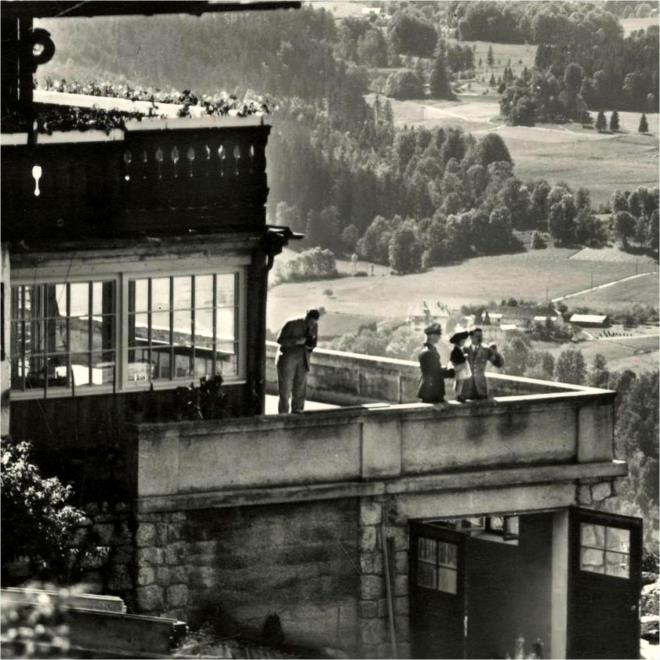
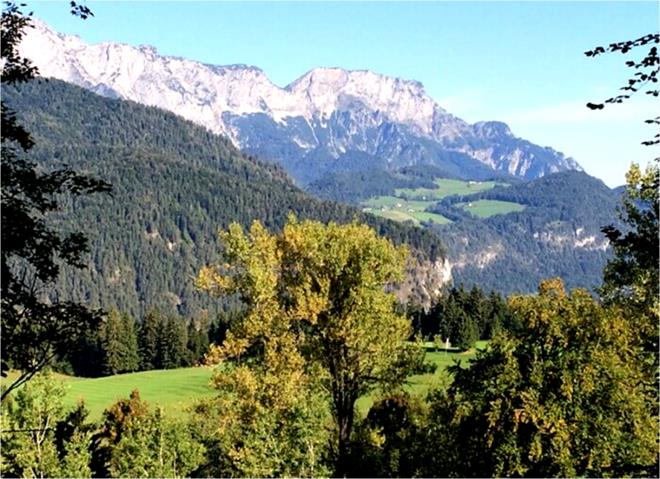
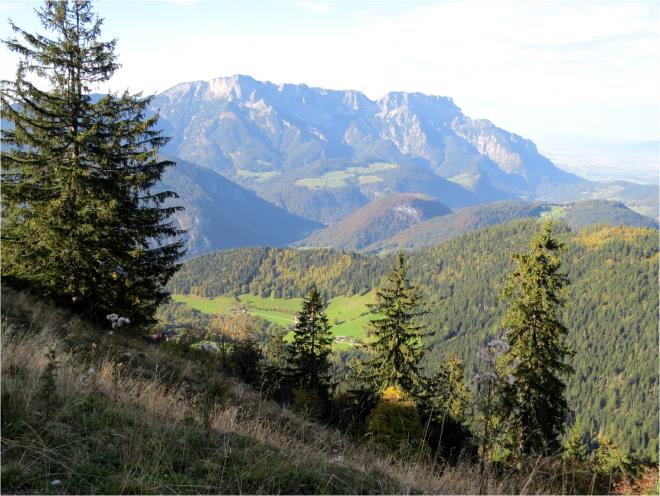
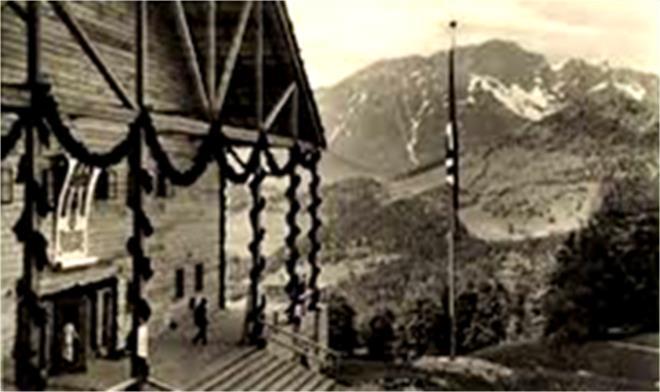
The Terrace. The view from this spot was spectacular.
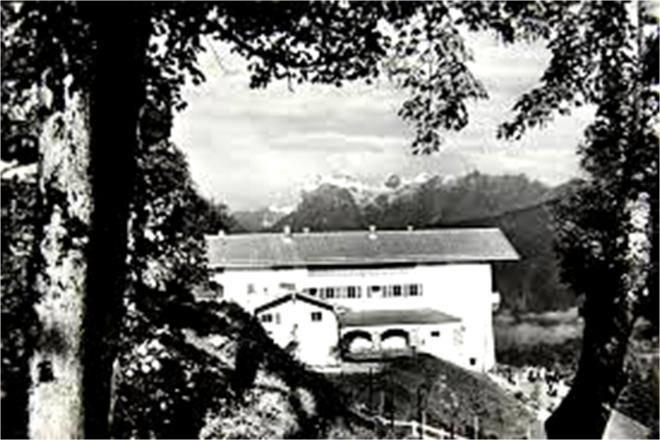
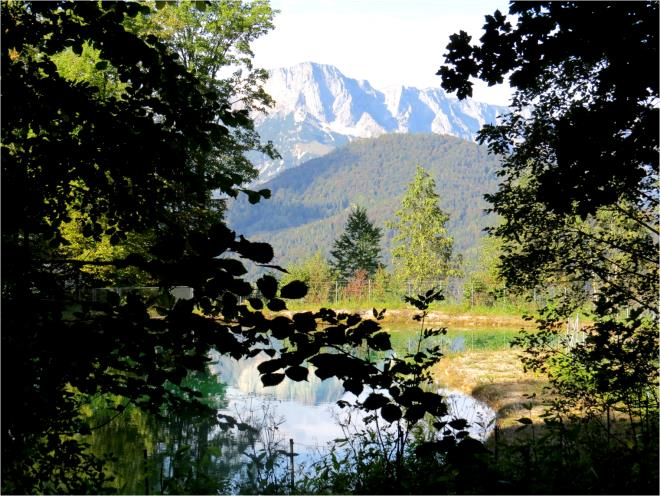
Here’s the current view from the Berghof ruins.
A large area of the mountain was taken over by the Nazis and numerous buildings
were built on the rolling farmland. The neighbours for miles around were bought
out, including families who had lived on the mountain for generations. Those who
refused to sell were forced out, including the owner of the Hotel zum Türken, who
spent three weeks in Dachau before “agreeing” to sell.
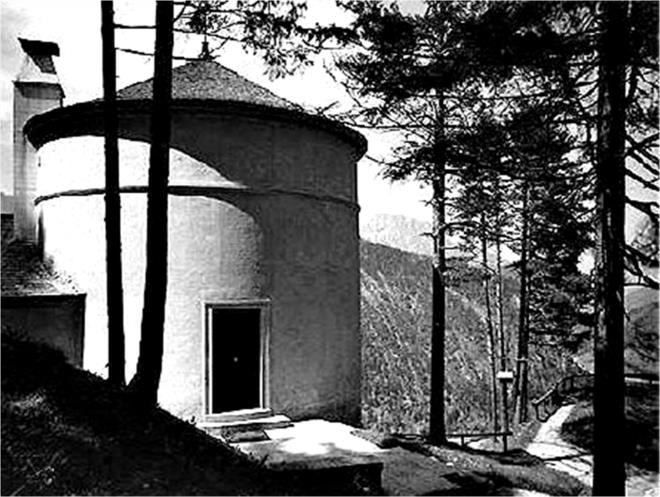
This Tea House was a small building that Hitler used to walk to daily from the
Berghof. He liked to relax there with his inner circle and spent a fair amount of
time there when he was in Berchtesgaden. The building was in the woods, up on
the Mooslahnerkopf hill, just off what is now the 13th hole of a golf course. The
valley is used as a golf course in summer and a ski area in winter today.
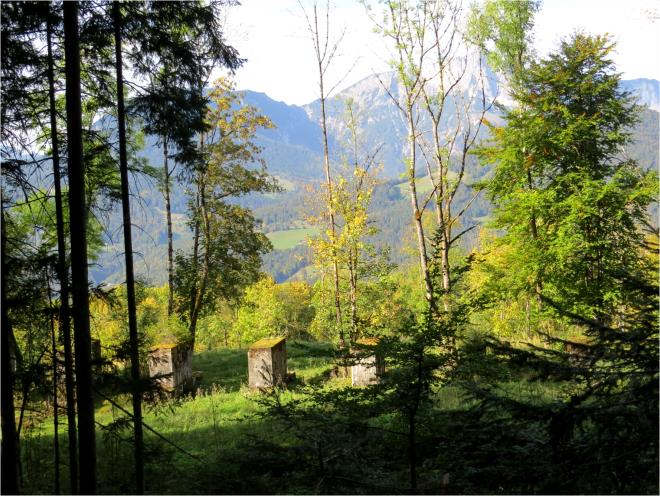
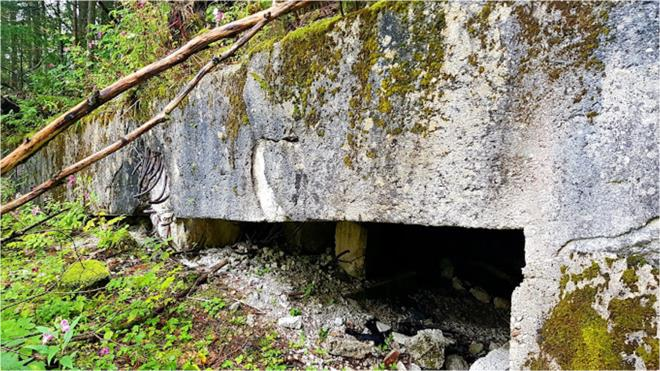
The Tea House survived the Allied bombing of the Obersalzberg, but it was
demolished in the 1950s. The ruins were still there until 2005, when the remnants
were removed to avoid tourism to the spot. All traces of the ruins were removed by
2006.
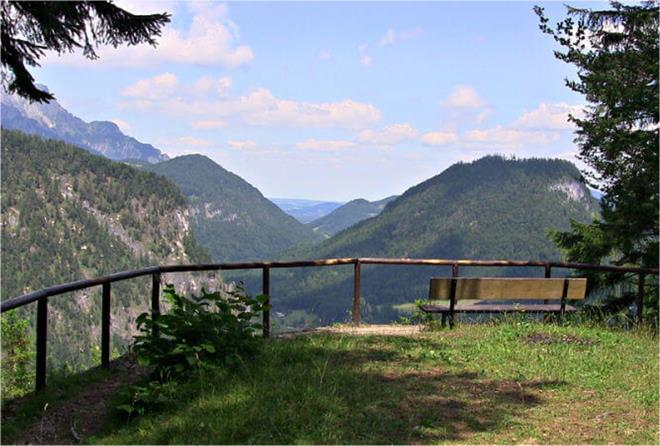
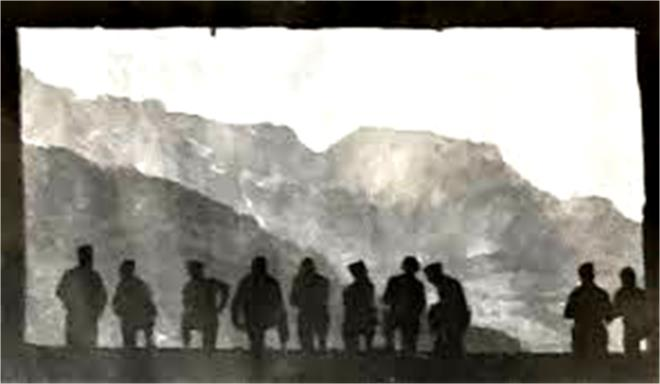
The hill where the Tea House sat is called the Mooslahnerkopf. An overlook with a
wooden railing and a bench was built next to the Tea House, which gave a
beautiful view of the mountains and valley below.
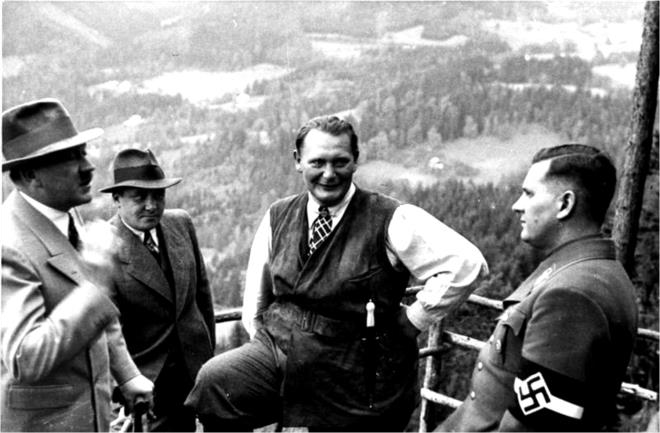
This is a photo of Hitler, Bormann, Göring and von Schirach at the
Mooslahnerkopf Overlook.
The overlook is still there and usually there’s a bench to sit on.
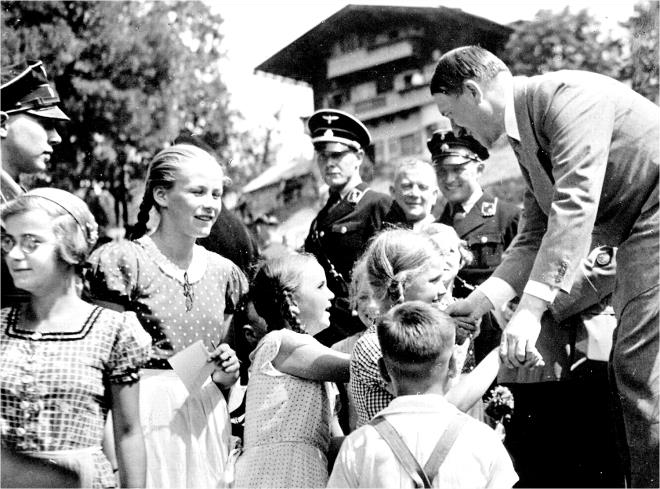
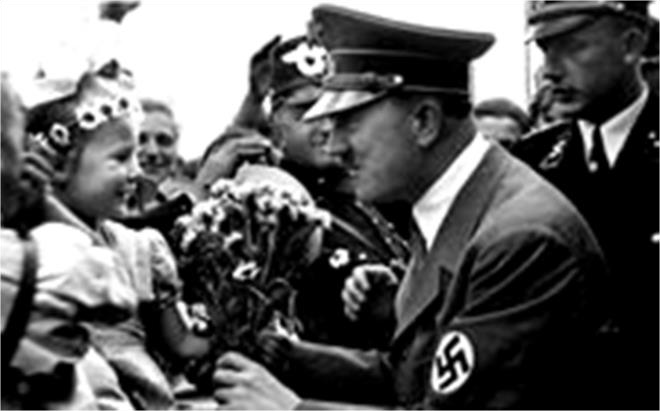
Hitler’s home became quite a tourist attraction. Crowds of admirers used to wait at
the end of the driveway for a chance to greet the Führer. Heinrich Hoffmann,
Hitler’s official photographer, and who introduced Eva Braun to Hitler in Munich,
took lots of photos of these scenes.
The old people in our village, now in their late 80s and 90s well remember those
days, when they were invited to childrens’ tea parties with Hitler at the Berghof.
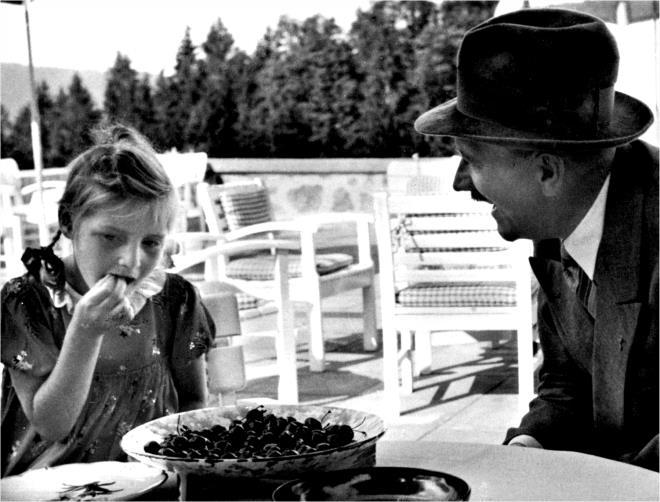
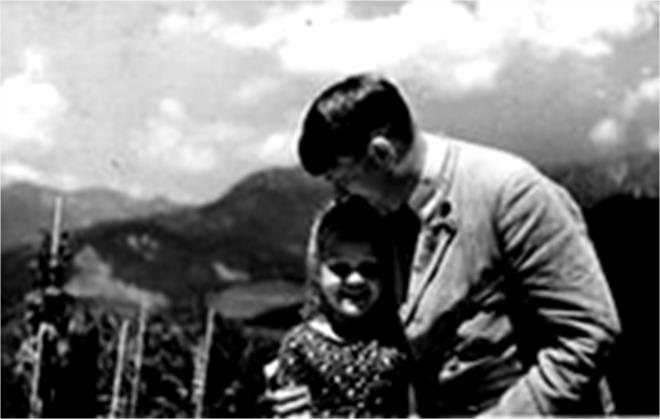
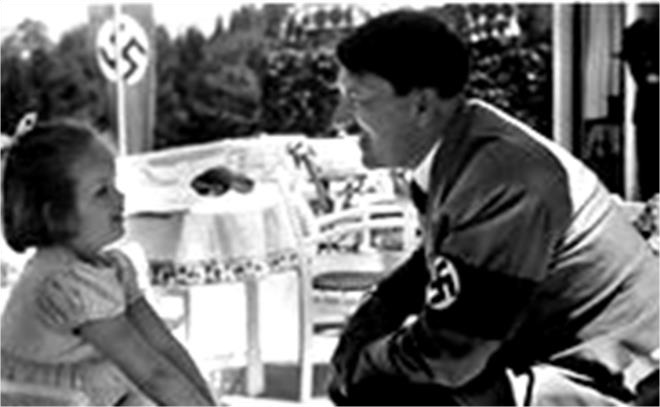
The little girl in this photo, Bernile Nienau, was chosen from the crowd to visit the
Führer and have a dish of cherries, on their joint birthday, April 20, 1933. She
became a favourite, and visited frequently as she was growing up, until Martin
Bormann discovered her grandmother was Jewish and tried to banish her from
visiting. But, ironically, Hitler overruled Bormann and allowed her to continue
coming, such was his love for the child despite his hatred of the Jews.
Sadly, Bernile died at the age of 17 of “completely natural causes”, in a Munich
hospital, towards the end of the war.
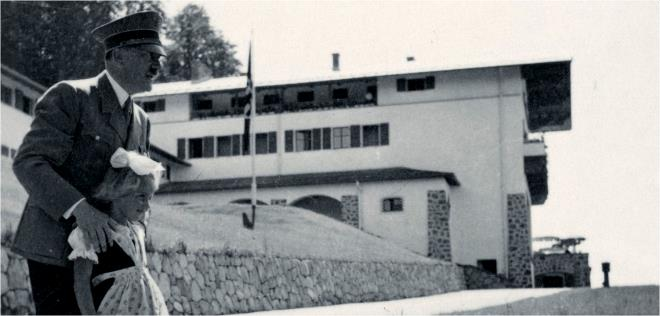
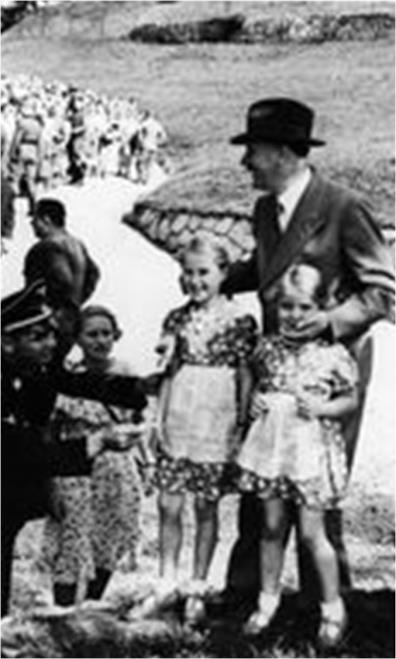
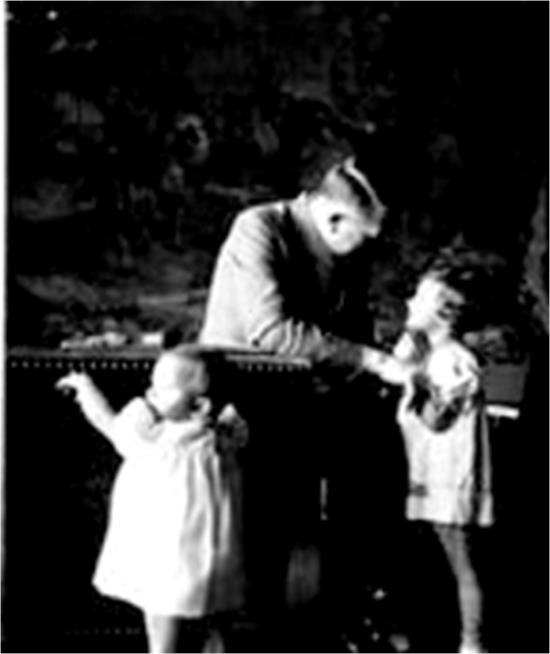
Uschi Schneider, here, was the daughter of one of Eva Braun’s friends.
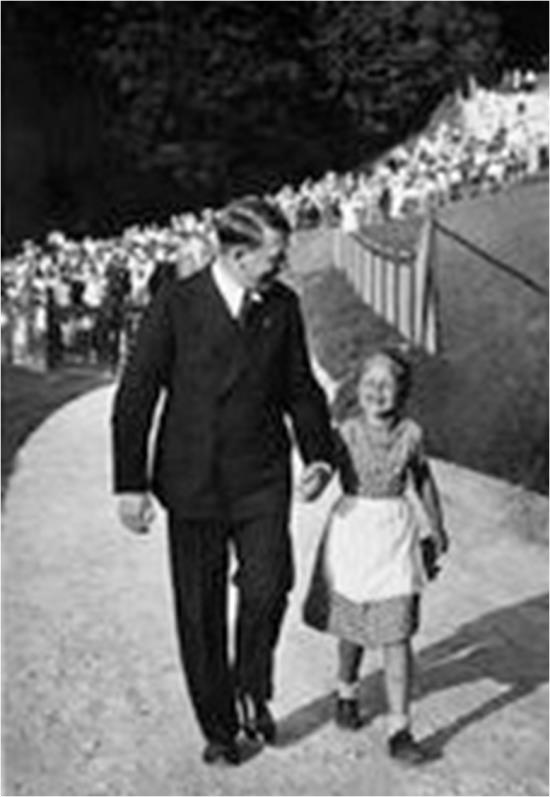
Hitler especially liked greeting children, who came to visit in the thousands. These
photos were taken near Haus Wachenfeld in1934.
Of course, this was all in part a propaganda ploy to get children into the Hitler
Youth and the League of German Girls and to willingly adopt the Nazi philosophy.
Various youth groups would visit the Berghof and meet the Führer.
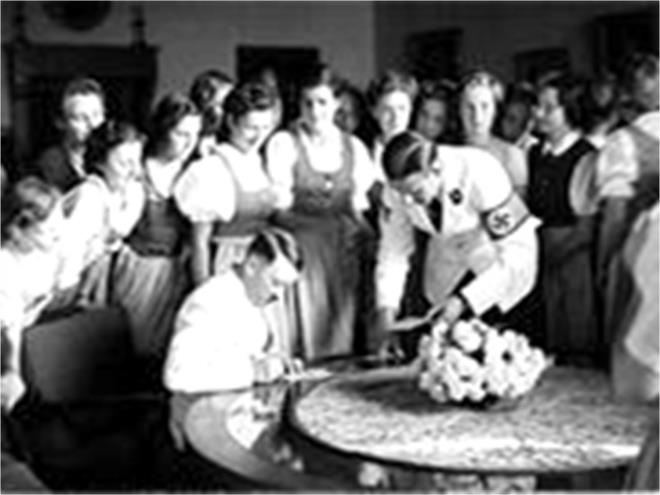
Hitler got a visit from the Bund Deutscher Mädel (BDM), or League of German
Girls, the feminine version of the Hitler Youth, in July, 1939.
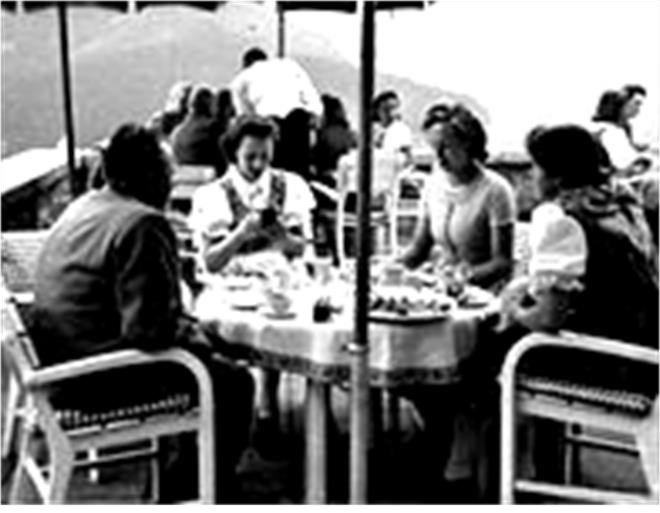
They had tea on the Berghof terrace as seen here.
Hitler built a folk theatre on the estate, free for the children and local families,
where Bavarian folkloric dance and music was performed (somewhat akin to the
folkloric theatre that featured in the “Sound of Music” at which the Von Trapp
family, from neighbouring Salzburg, performed before their escape over the
mountains to Switzerland)
In my novel, When the Cows Come Home, a historical fiction German family saga
set in Bavaria from 1933-2017, I have a fictitious girl, the daughter of an innkeeper from Berchtesgaden, working as a maid at the Berghof, and I am able to use
her to describe these scenes, and also those of international importance when
famous people visited Hitler at his mountain home.
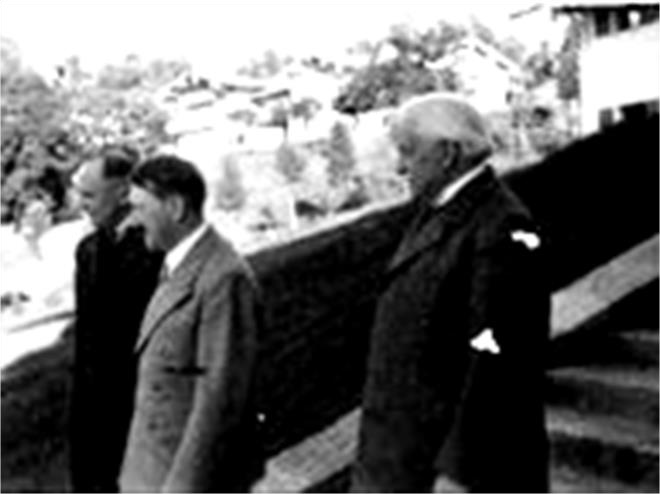
Former British Prime Minister David Lloyd George had met with Hitler at the
Berghof in 1936.
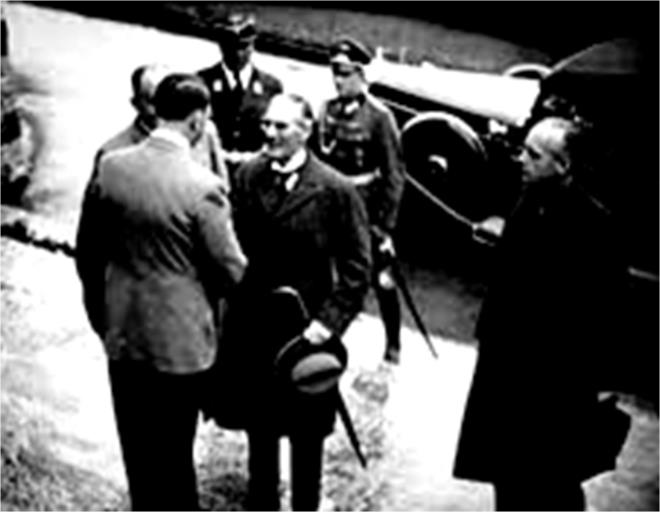
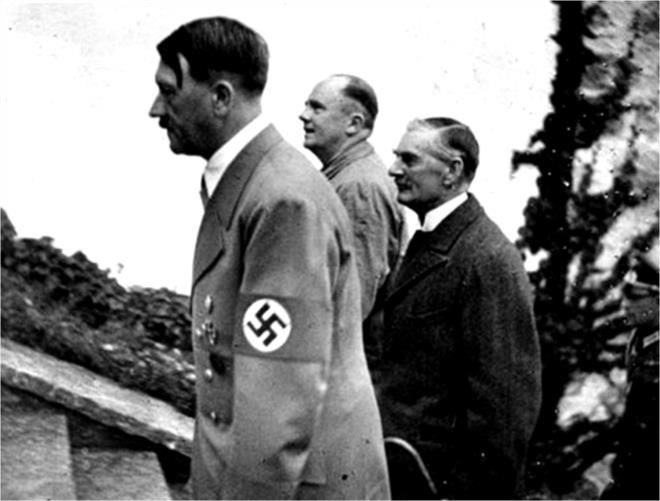
British Prime Minister Neville Chamberlain met with Hitler at the Berghof in 1938
during the negotiations that lead to the signing of the Munich Agreement, handing
part of Czechoslovakia over to Germany (“peace for our time”).
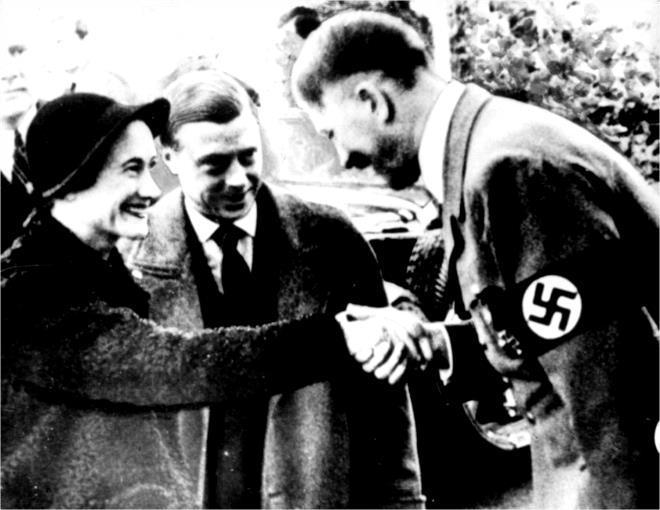
And, of course, Hitler’s most prestigious visitors, the Duke and Duchess of
Windsor in October 1937, with all that visit’s dangerous implications of the Duke’s
Nazi leanings.
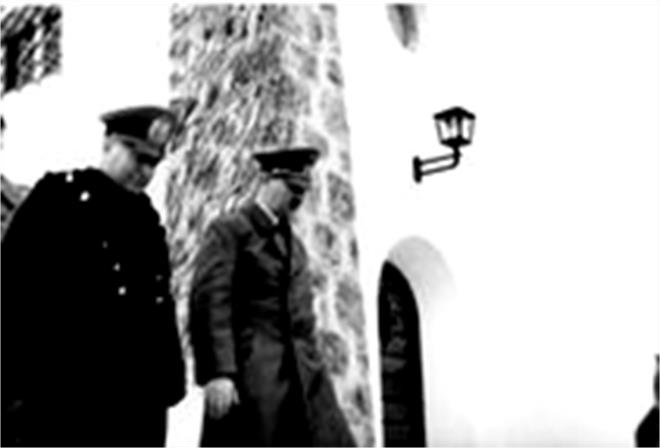
In 1942, Mussolini visits Hitler at the Berghof.
In 1940, Hilda Moeller returned to the Berghof estate. She was now at the beck
and call of the Fuhrer himself and was trained in all of his domestic foibles from
how he liked his tea brewed to how he liked his shirts to be ironed. In all of this,
Eva Braun was a great help to her, and in appreciation Hilda was often entrusted
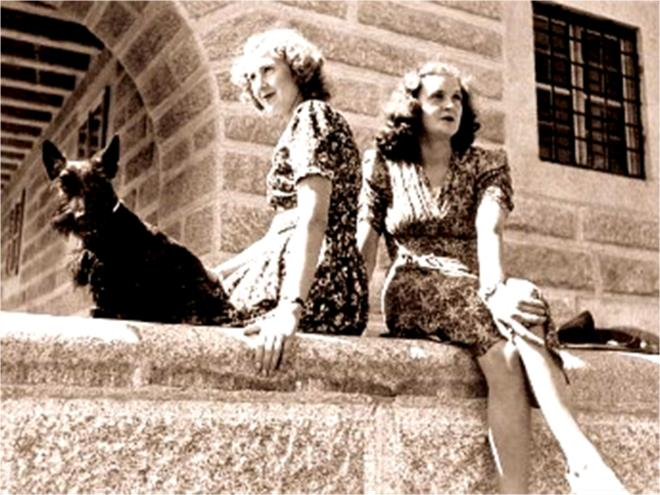
with the double honour of caring for both Eva’s Scottish terriers and the Fuhrer’s
Alsatian dogs.
Hilda hadn’t been in service at the Berghof for long, when after his
declaration of war on Great Britain and France, Il Duce Benito Mussolini arrived
in Munich with his foreign minister, Count Ciano, to discuss immediate plans with
the Fuhrer. It was expected that the Italian leader would be invited to the Berghof
as in the past. Hilda prepared their rooms.
But Adolf Hitler didn’t appear pleased with Il Duce, and he came back from
Munich to the Berghof alone. Eva rarely ever said anything political, but she
loosened her tongue as together she and Hilda Moeller fed the dogs.
“Apparently, Mussolini was embarrassed over the late entry of Italy into the
war,” Eva said. “Mussolini met with Hitler determined to convince him to exploit
the advantage he had in France by demanding total surrender and occupying
southern France that’s apparently still free. The Italian leader clearly wanted ‘in’
on the spoils, and this was a way of reaping rewards with a minimum of risk.”
Eva smiled as she gave her terriers, Negus and Stasi, ‘leckerli’ treats.
“Our Fuehrer was in no mood to risk things, and was determined to put
forward rather mild terms for peace with France,” she continued. “He needs to
ensure that the French fleet remains neutral and that a government-in-exile is not
formed in North Africa or in London. He also denied Mussolini’s request that
Italian troops occupy the Rhone Valley, and that Corsica, Tunisia and Djibouti
should be disarmed. Apparently, Mussolini left the meeting frustrated and very
much embarrassed, stating ‘that his role is only secondary’.”
Hilda was only half listening. Places like Corsica, Tunisia and Djibouti
meant nothing to her, and besides, the dogs were barking as they always did at
meal times. It was enough for Hilda to just know that Eva was looking out for her
and had noted her disappointment that Mussolini would not now be visiting.
However, two years later, Hilda Moeller was excited when she was asked again to
make rooms available for Il Duce Mussolini and his entourage at the Berghof.
Mussolini was due to meet with Fuhrer Hitler on May Day. This was apparently
going to be a very important meeting, and Hilda felt proud to be on the world
stage.
The Obersalzberg was looking at its best. The fresh green leaves were out,
contrasting with the dark conifers. Snow still clung to clefts in the mountains, and
the first wild flowers were blooming in the meadows. Geraniums and petunias
were already spilling out from the Berghof balcony boxes, and blue skies held the
puffy clouds of late spring. Goats bleated, and cows with their new-born calves
grazed in the fresh green paddocks.
Il Duce and his party arrived at the Berghof on the afternoon of the last day
of April 1942. Hilda could see them arrive with their escorts as she looked out
from the room where she had just placed a welcome dish of Bavarian chocolates.
Everything looked right, so now she must leave. It was never her role to be party to
these great meetings of state, but it was exciting. ‘He is rather short and round,’
she thought as she closed the lace curtain. ‘He probably eats too much spaghetti.’
She laughed to herself, pleased with her assumption.
The dogs were very important to Hitler, especially his Alsatian, Blondi. He wasn’t
so fond of Eva Braun’s little dogs, the terriers Negus and Stasi, calling them
“fluffy floor cleaners.”
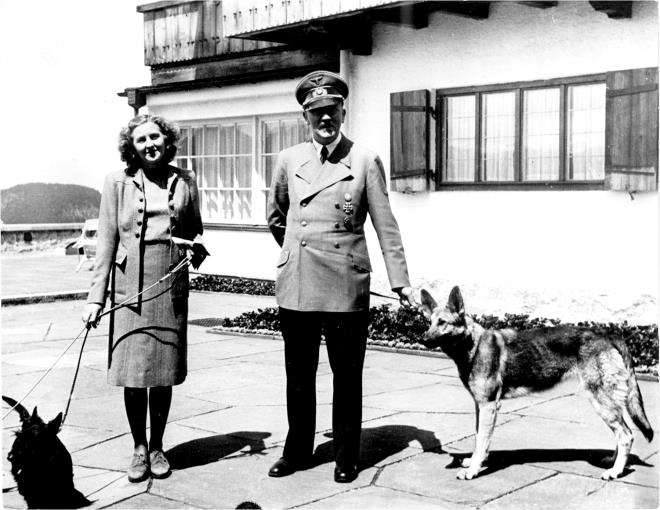
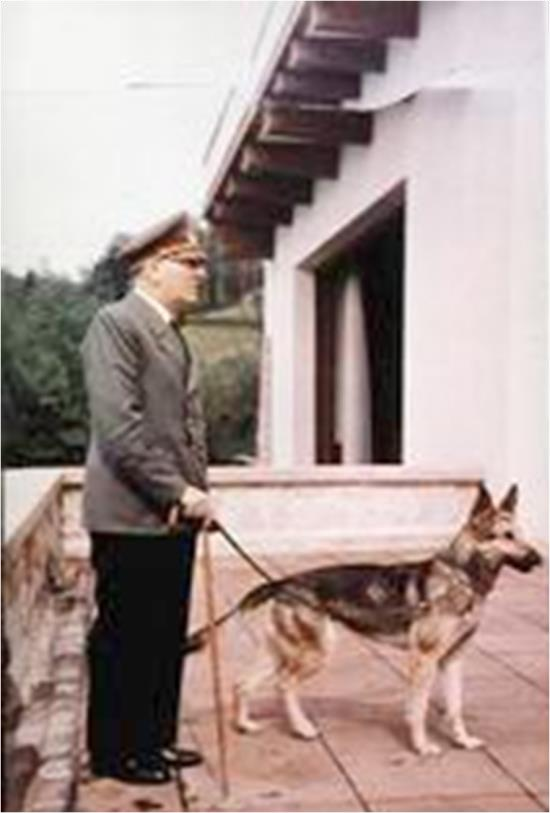
Martin Bormann gave Blondi to Hitler in 1941, and she lived at the Berghof,
sleeping in Hitler’s bedroom, and travelling with him in his private train car that
was kept in a bunker tunnel underneath the town of Berchtesgaden at the end of the
line from Freilassing. Hitler took Blondi with him to the Wolf’s Lair, his HQ on
the eastern front where Blondi had a penchant for climbing trees.
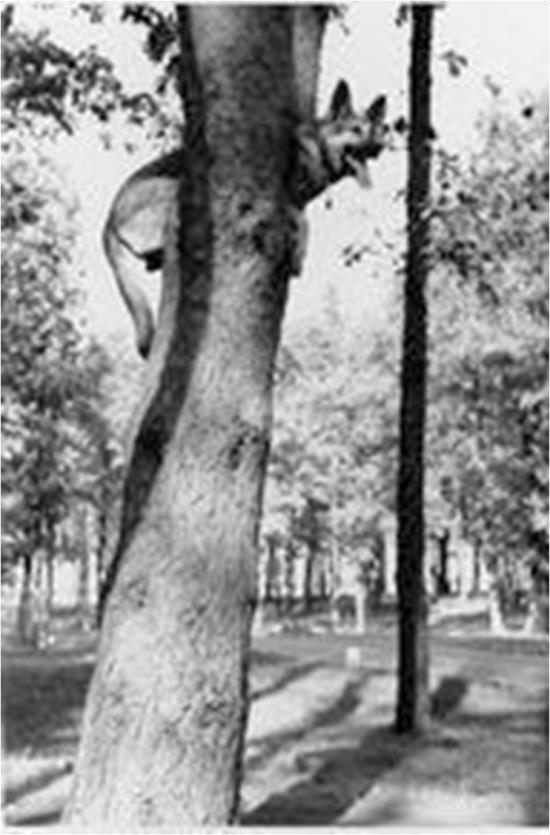
Blondi had a full-time caretaker/trainer, Sergeant Fritz Tornow. He was still in the
Führerbunker in Berlin after Hitler’s death, and was captured by the Russians.
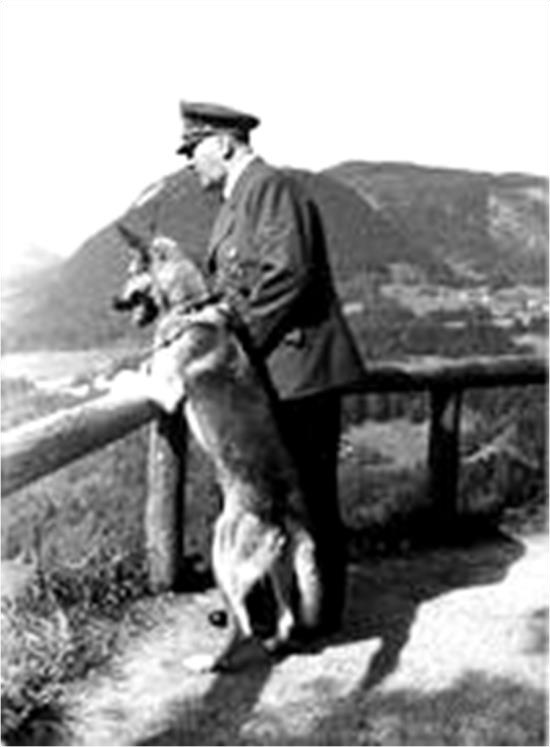
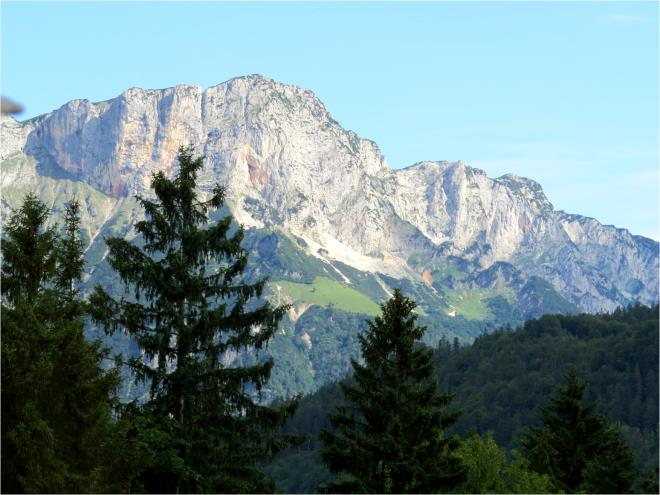
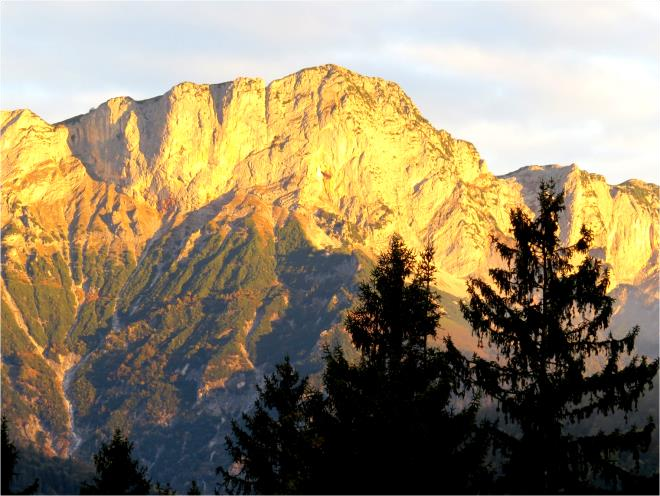
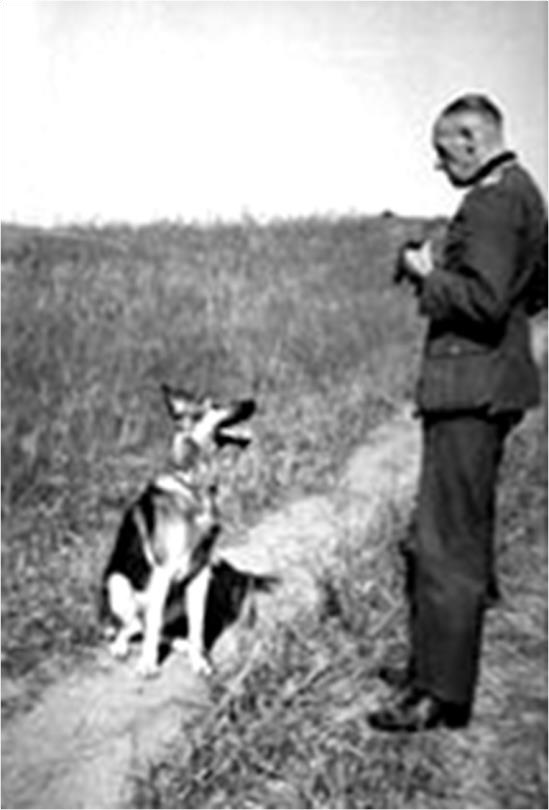
The view Hitler and Blondi are enjoying and the same view today.
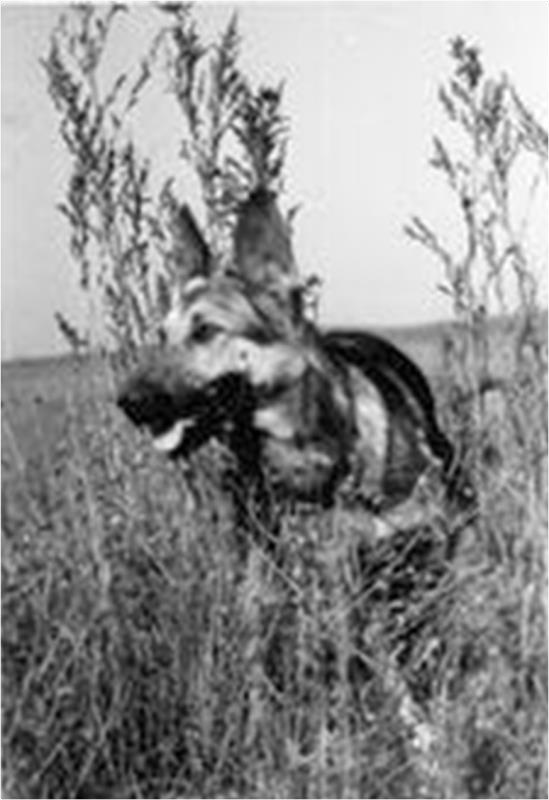
These photos of Blondi were taken in Winniza (or Vinnytsia), Ukraine, when
Hitler was based there in 1942, at his field headquarters.
Blondi met with a sad end when she was poisoned in the Berlin Chancery bunker,
shortly before Hitler committed suicide with Eva Braun on 30 April, 1945. At first,
it was reported that Hitler had died nobly fighting off the Bolsheviks as the
Russians advanced into Berlin, but later, the suicides were revealed. It was
reported that Hitler gave Blondi cyanide to test if it would really work. It did, and
was used the next day for both Hitler and Eva Braun, whom he had finally married
the day before. It was also reported that Hitler believed that if Blondi died, they
would all be reunited in heaven. This may have been strange for the deluded Nazi
dictator, and somewhat out of keeping with the Roman Catholic views on suicide,
but in a world where God was still universally thought to be some super human
form as the King of Heaven, before the ‘Honest to God’ debate of the 1960s, it is
not so strange. Indeed, in his Austrian childhood, Hitler had even considered
becoming a priest, but the First World War put paid to those thoughts, when he
experienced the horrors first hand as a corporal in the Kaiser’s army.
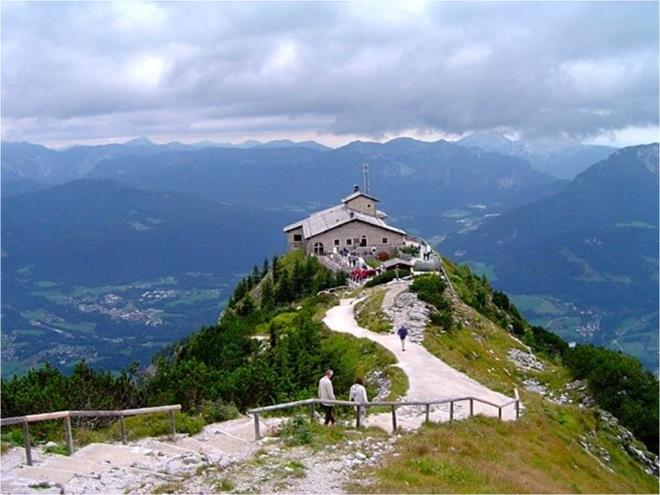
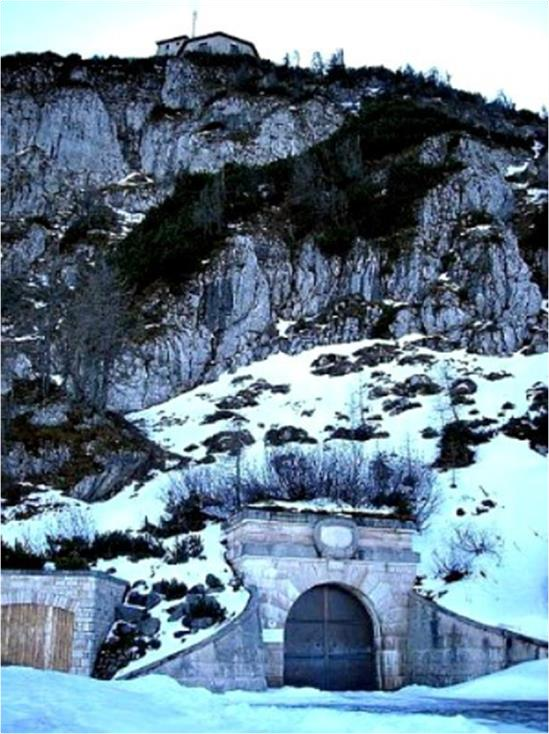
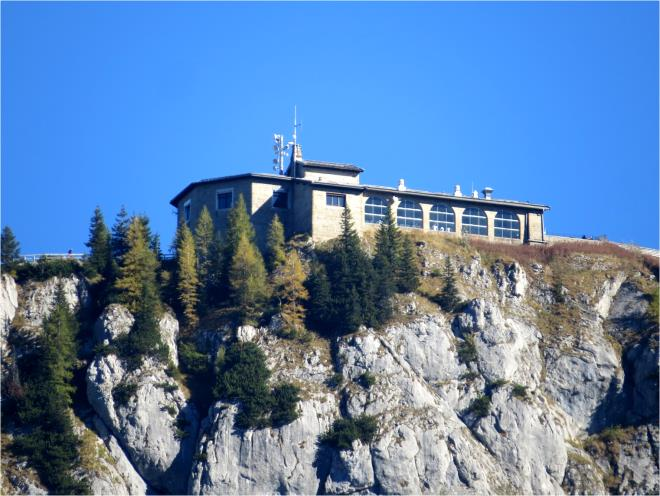
Now, we come to The Eagle’s Nest, the only part of Hitler’s Obersalzberg property
that was not destroyed in 1945. It is high up on the crest of the Rossfeld range
above the estate, and is right above Bettine’s house, except that we are only about a
third of the way up the mountain. It was built for Hitler as a gift from the people of
the Third Reich for the Fuhrer’s 50th birthday in 1939. This historic survivor of the
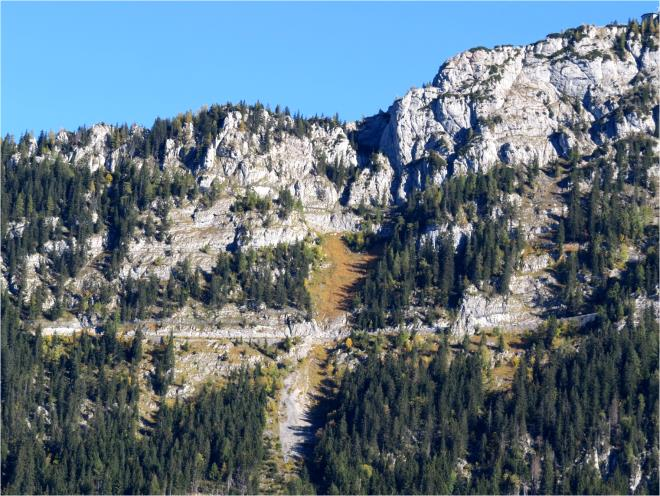
Third Reich can only be reached by taking a special bus (or a strenuous 3 hour
walk) to an elevator shaft set deep in the mountain. It is incorrectly always referred
to as Hitler’s gold elevator, but it is actually highly polished brass.
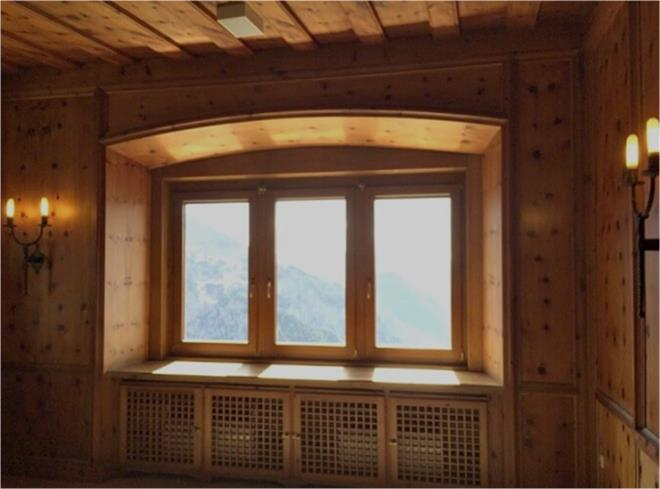
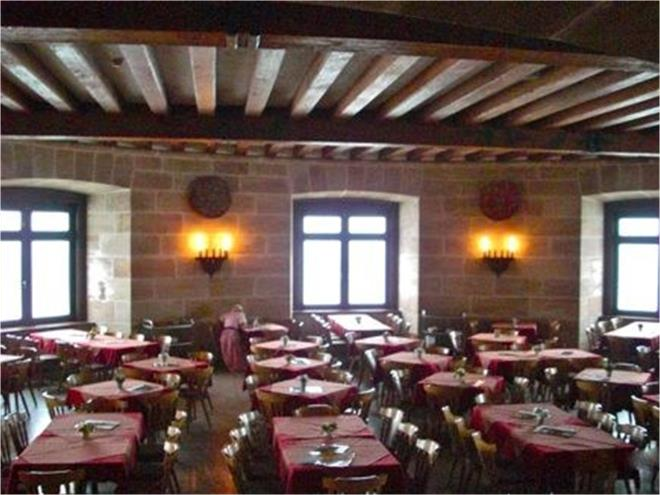
Once at the top, you can explore most of the rooms and have something to eat or
drink in the same spot that Hitler, Eva Braun, Himmler and the other Nazi leaders
had their banquets and entertained foreign diplomats, although in reality, Hitler,
with a fear of heights, only actually spent 17 days up there. Eva Braun, however,
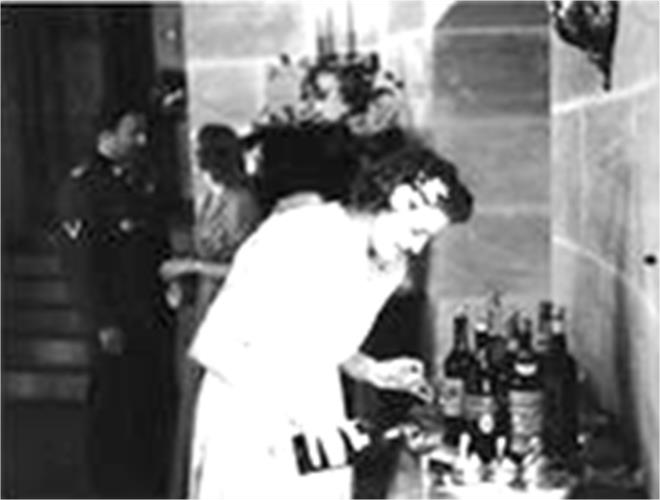
frequently entertained her friends there, including the famous wedding in 1944 of
her sister Gretl to SS officer, Hermann Fegelein.
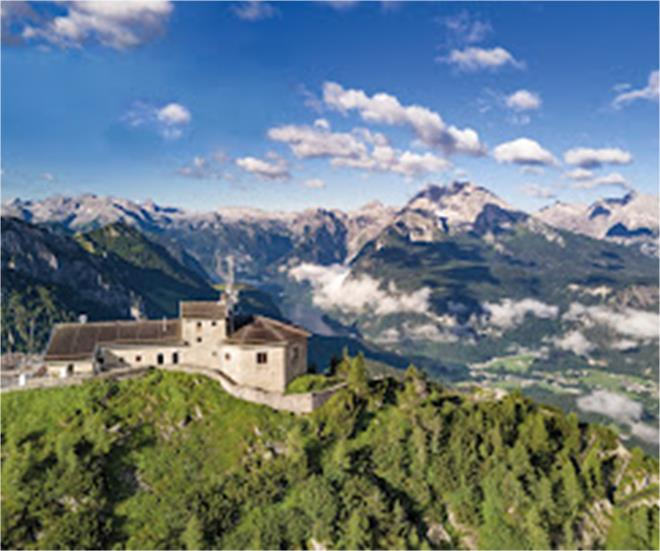
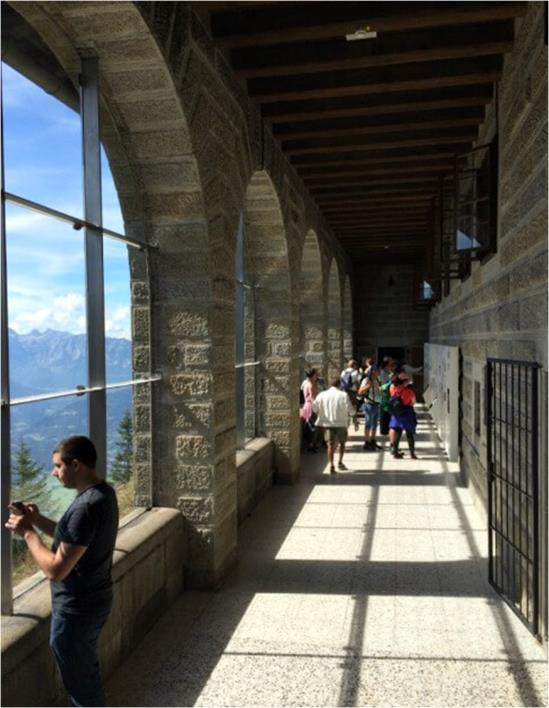
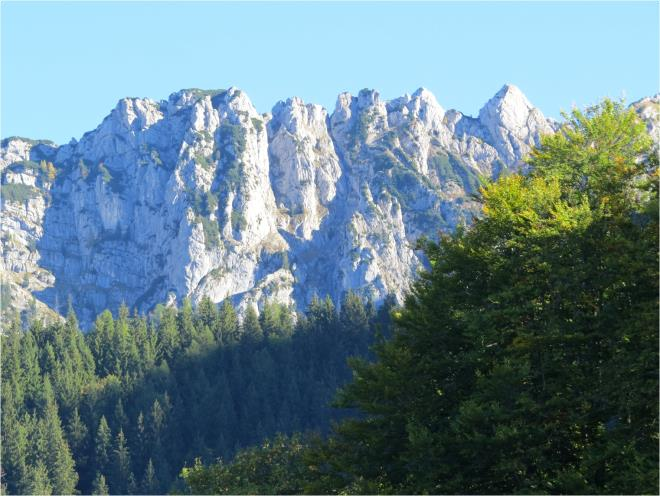
Outside, just past the beer garden terrace, a path leads up to a higher point well
worth the short climb. As apparently, when the weather cooperates, the panorama
is incredible. Right at eye level with the Alps, looking over both Germany and
Austria, the jagged mountains march away in all directions. On a clear day, you
can see Salzburg.
Even when it’s misty, the swirling clouds in the Bavarian Alps give them a
pleasantly eerie feeling. Hitler’s fascination with the old Germanic legends is
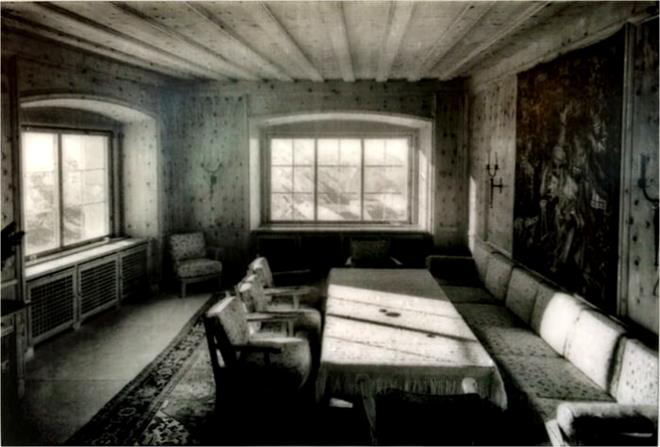
reflected in the style and location of the building. The sturdy Kehlsteinhaus, it’s
real name, has a pseudo-medieval look inside, with its thick granite walls and
heavy beamed ceilings: a modern day version of the mountain fortress where
legendary Germanic heroes wait, like Charlemagne and Barbarossa, sleeping under
the Untersberg mountain across the valley.
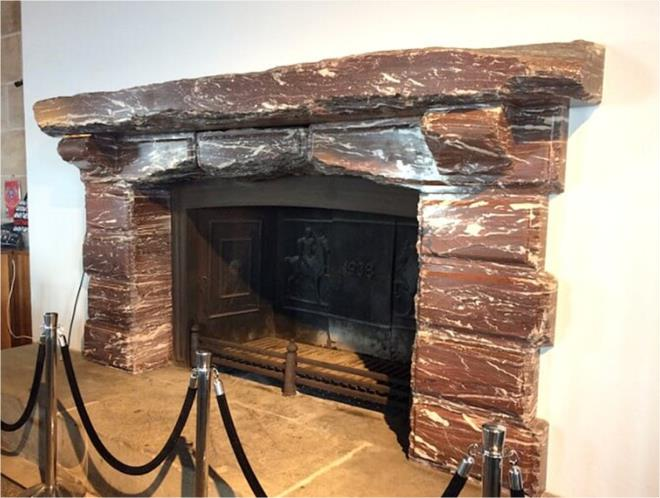
Because the Eagle’s Nest wasn’t damaged during the war, it looks just like it did in
May of 1945. Today it is American owned.
The views are apparently stunning from high up on the Rossfeld in all directions. I
have never personally bothered to go up to the Eagle’s Nest. Having been brought
up in England in the 1940s and 1950s I am not that interested in this final relic of
Hitler’s Third Reich! But as I said, Eva Braun often entertained her own friends
and family at the Kehlsteinhaus, unlike the Führer, who only made about 17 visits
up there. I am sure the view is stunning, but although only one third of the way up
the mountain, Bettine and I do share the same view, and it is stunning, without the
Nazi trappings of the Third Reich.
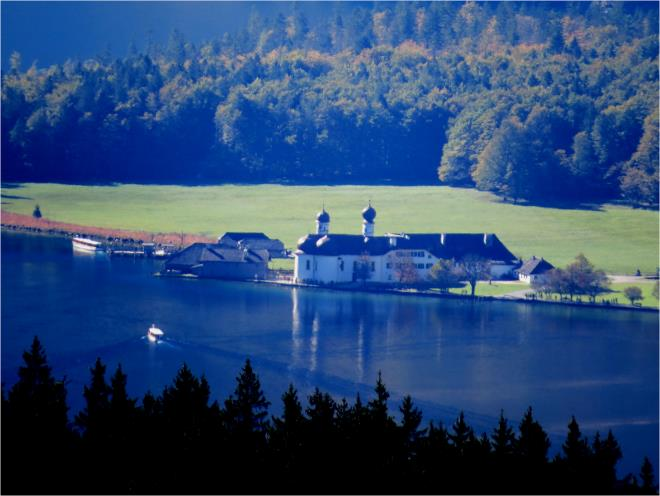
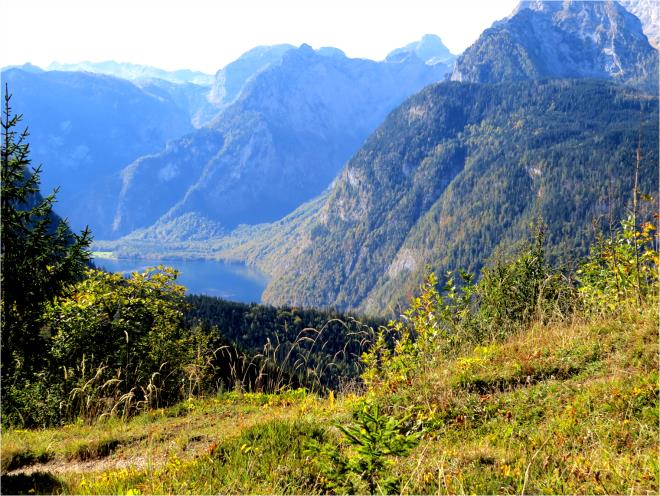
You can look down from here to the Konigssee lake where you can see the pretty
St Batholomew Monastery. These views were used in the opening scenes of The
Sound of Music. I remember my father taking my sisters and my grandparents to
see the film when it opened in London. We had seats in the front row of the Dress
Circle and when that scene of St Batholomew on the Konigssee opened up, my
grandmother ecstatically said very loudly, “Oh! What a pretty picture.”
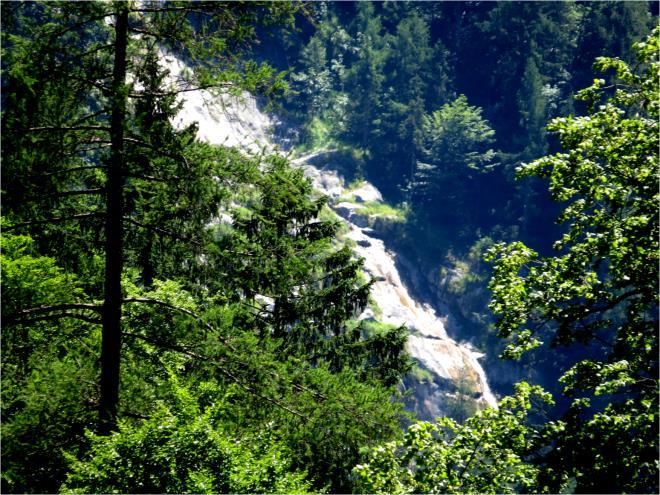
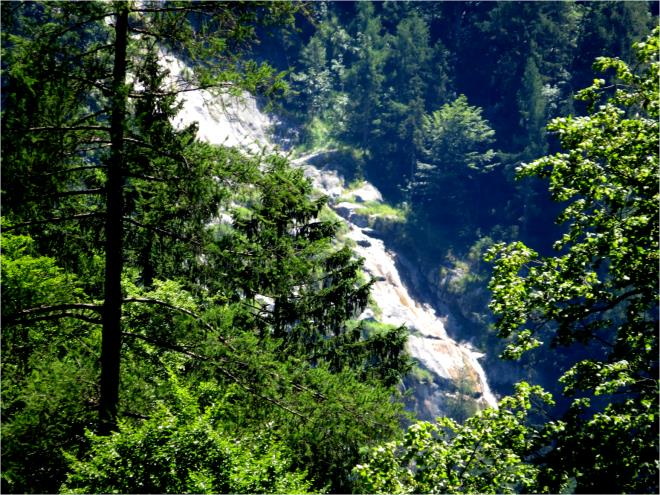
It is reported that Hitler and Eva Braun used to bathe in a cold waterfall above the
Konigssee. Eva Braun loved to swim in the cold lakes as indeed does Bettine.
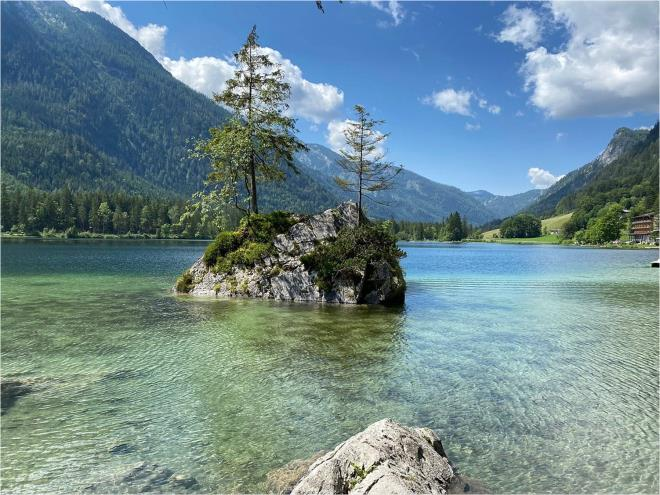
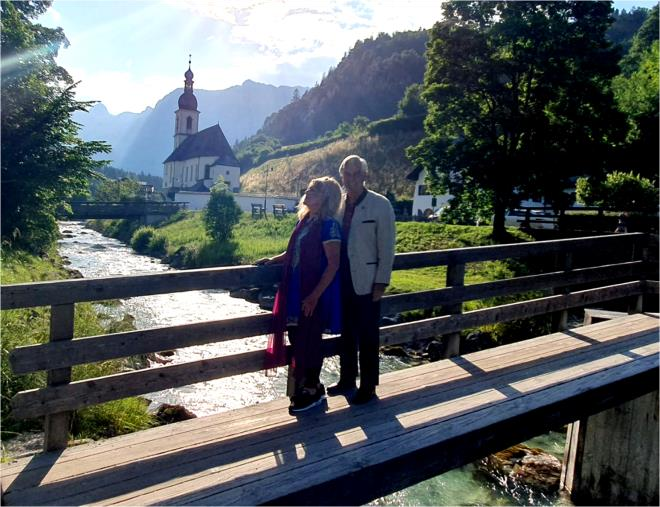
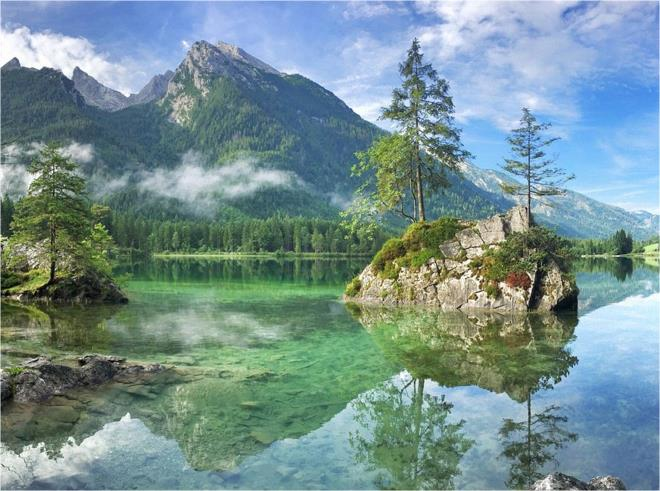
One of the coldest is the beautiful Hintersee, but I do not join Bettine when she
swims there.
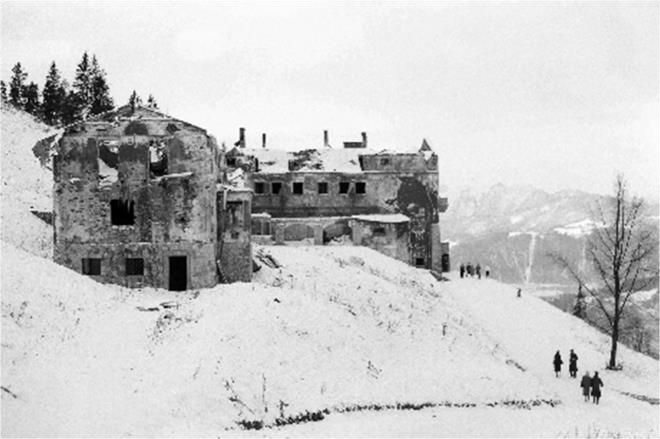
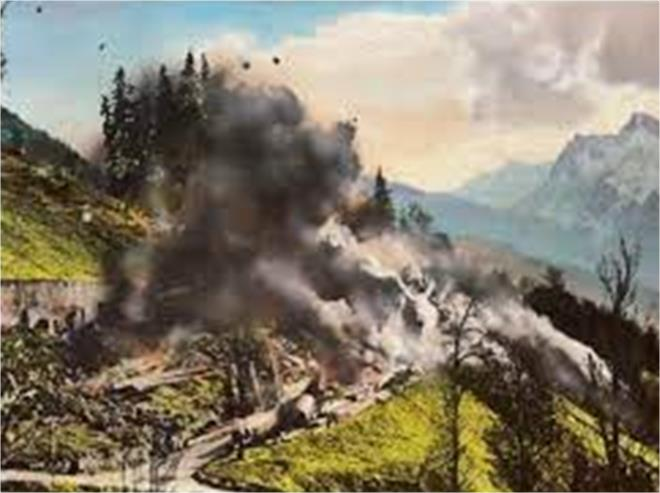
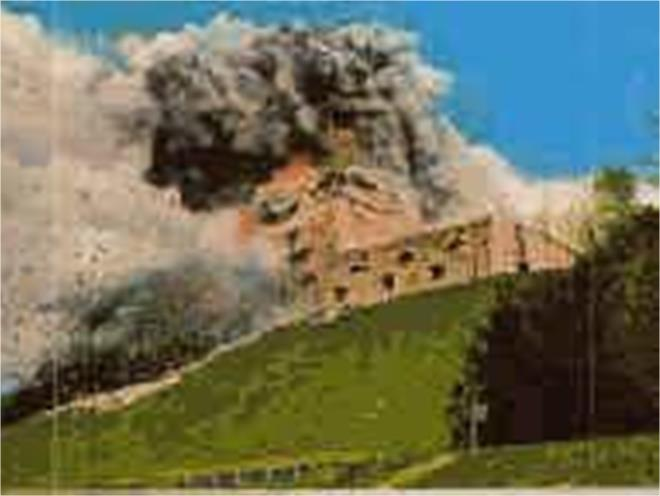
In April 1945, Britain’s Royal Air Force bombed the Obersalzberg compound
nearly flat, including the Berghof. They say that the Eagle’s Nest survived as the
bombers used it as a sighting for their approach to the Obersalzberg estate. Seven
years later, the Bavarian government blew up most of what had survived the
bombing, wanting to leave nothing to attract neo-Nazi pilgrims.
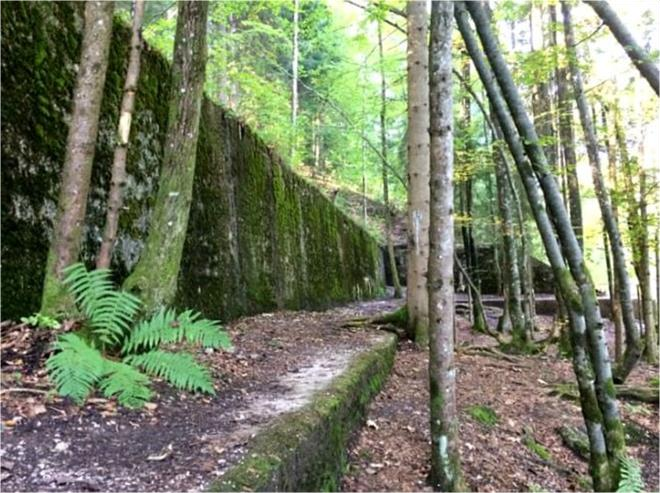
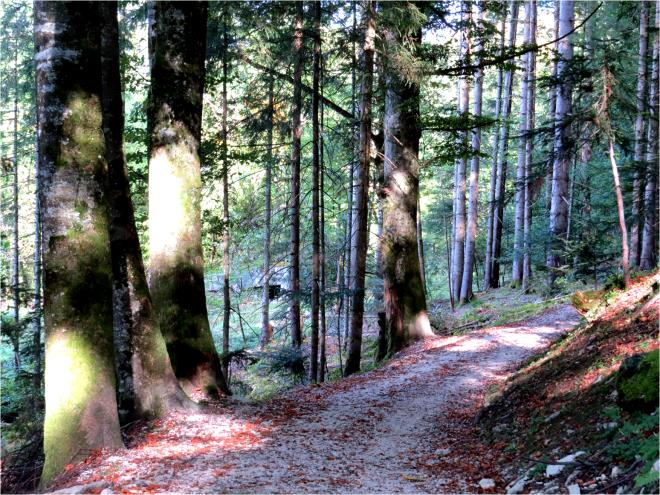
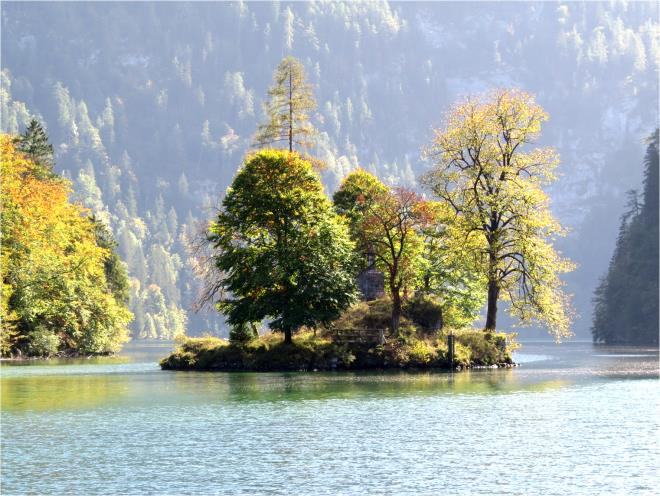
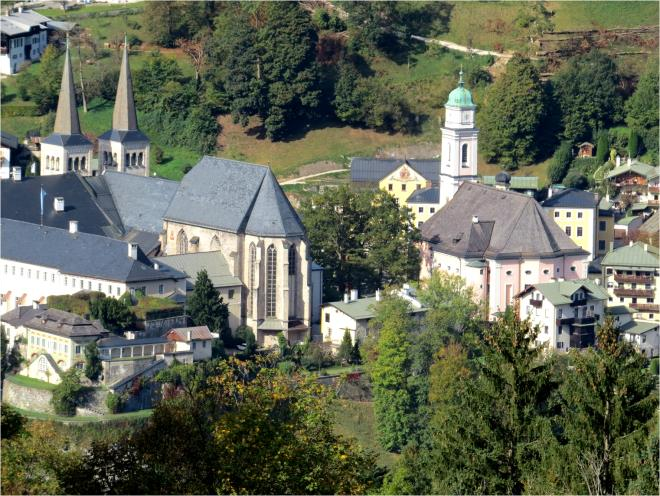
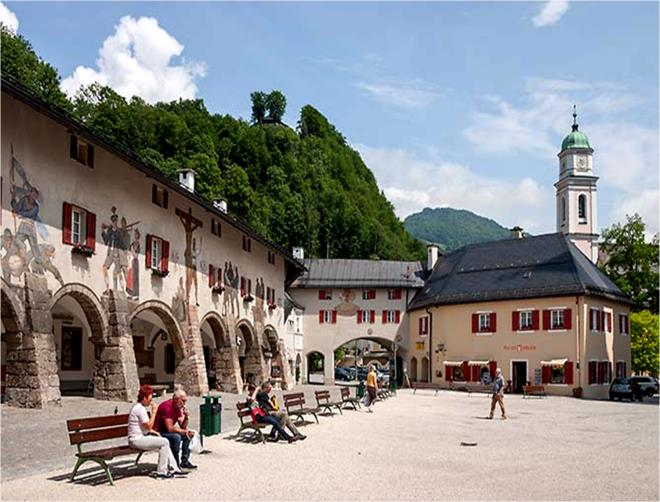
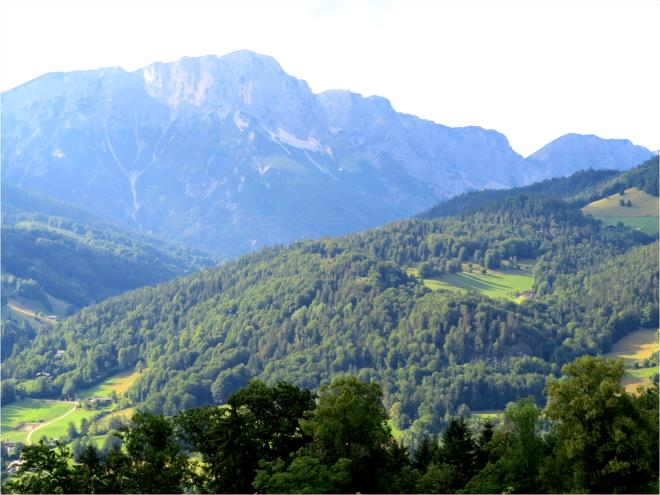
I leave you, therefore, with the extraordinary beauty of the area that was there long
before Hitler, and will endure for a lot longer than the once glorified ‘1,000-Year
Reich.’ Although, glorifying in the myths and legends of the Holy Roman Empire
of the past, as in his love for Wagner’s music and ‘Mad’ King Ludwig’s fanciful
Bavarian interpretations, Hitler did recognise this beauty by choosing it to be his
favourite residence. He was an artist, a painter, and not just an Austrian painter
decorator’s son as we are all led to believe. He lived a life above Berchtesgaden
inspired by the mountains and the simple lives and culture of the Bavarian people,
especially the children, whom he genuinely loved. This I share with him, I have
painted all my life and I will eternally be grateful to Bettine for bringing me to this
unbelievably inspiring and beautiful part of the world.
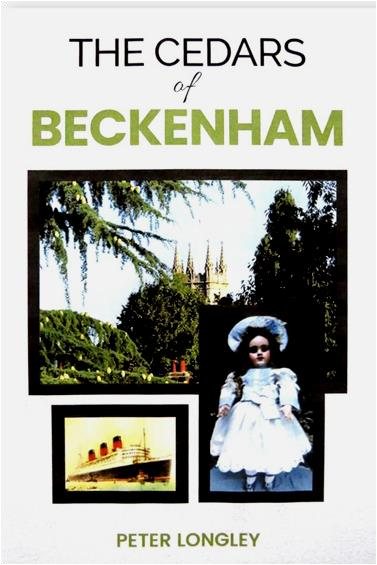
In April, 2023, my novel The Cedars of Beckenham was published and is a
fictitious family saga about four Beckenham families living through those
extraordinary times of war and social change from 1930 to 2017. It has a holocaust
theme, and the tale is told entirely from a British and American point of view.
I have now written that companion novel recently published, When the Cows Come
Home that takes four Bavarian families with a holocaust theme from 1933 to 2019.
This I have tried to write from a German point of view. I hope that I have
succeeded, and I have certainly been inspired by the same beauty of the landscape
and the eternal traditions of these Alpine people, as was Adolph Hitler, despite all
the horrors of his regime.